Enhancing Skills Through Construction Education for a Bright Future
The Importance of Construction Education
Construction education plays a pivotal role in shaping a competent and skilled workforce essential for the industry’s growth and innovation. The intricate nature of modern construction demands not only technical skills but also comprehensive knowledge of regulations, safety standards, and emerging technologies. As such, those involved in construction education are better equipped to meet challenges that arise in various project phases.
Understanding the Basics of Construction Education
Construction education encompasses a range of learning programs focused on the construction field, including vocational training, degree programs, certifications, and apprenticeships. It provides theoretical foundations coupled with hands-on experiences, allowing students to learn how to apply their knowledge in real-world situations. Understanding these basics is crucial for anyone looking to enter the field or aim for advancement.
Why Invest in Construction Education?
Investing in construction education yields numerous benefits not only for individuals but for the industry as a whole. Education equips workers with the latest construction techniques and safety regulations, leading to increased efficiency and reduced accident rates on job sites. Moreover, organizations benefit from having a skilled workforce that can adapt to new technologies and methods, ultimately contributing to a competitive advantage in the market.
Key Benefits of Skilled Construction Workforce
A well-educated construction workforce leads to enhanced productivity, reduced project delays, and improved quality of work. Skilled workers are more adept at problem-solving and utilize innovative approaches to overcome construction challenges. Additionally, they are better prepared to implement sustainable practices, minimizing environmental impact while maximizing resource efficiency.
Types of Construction Education Programs
Vocational Training in Construction Education
Vocational training provides a critical pathway for aspiring construction professionals. These programs focus on skill-building in a specific trade, such as carpentry, plumbing, or electrical work. Participants engage in both classroom learning and hands-on projects, enabling them to gain practical experience. Programs typically culminate in a certification that signifies proficiency and increases employability.
Associate Degrees and Certifications
Associate degrees in construction technology or related fields offer students a more comprehensive educational experience, combining technical training with courses in management and project planning. These programs often include opportunities for internships, allowing students to connect theory with practice. Certifications, on the other hand, focus on specialized skills within the industry, such as safety management or project management, further enhancing an individual’s qualifications.
On-the-Job Training Opportunities
On-the-job training is a vital aspect of construction education, providing individuals the chance to learn directly from seasoned professionals. This form of training typically occurs during apprenticeships, where trainees earn while they learn. By working alongside expert tradespeople, learners acquire invaluable insights into both routine practices and complex problem-solving techniques.
Curriculum Design for Effective Learning
Essential Subjects in Construction Education
A well-rounded construction education curriculum must include core subjects such as building codes, mathematics, blueprint reading, and construction safety. These subjects lay the groundwork for understanding the technical and regulatory aspects of construction projects. Additionally, courses in project management, sustainable building practices, and risk assessment prepare students for contemporary challenges in construction.
Hands-On Learning and Workshops
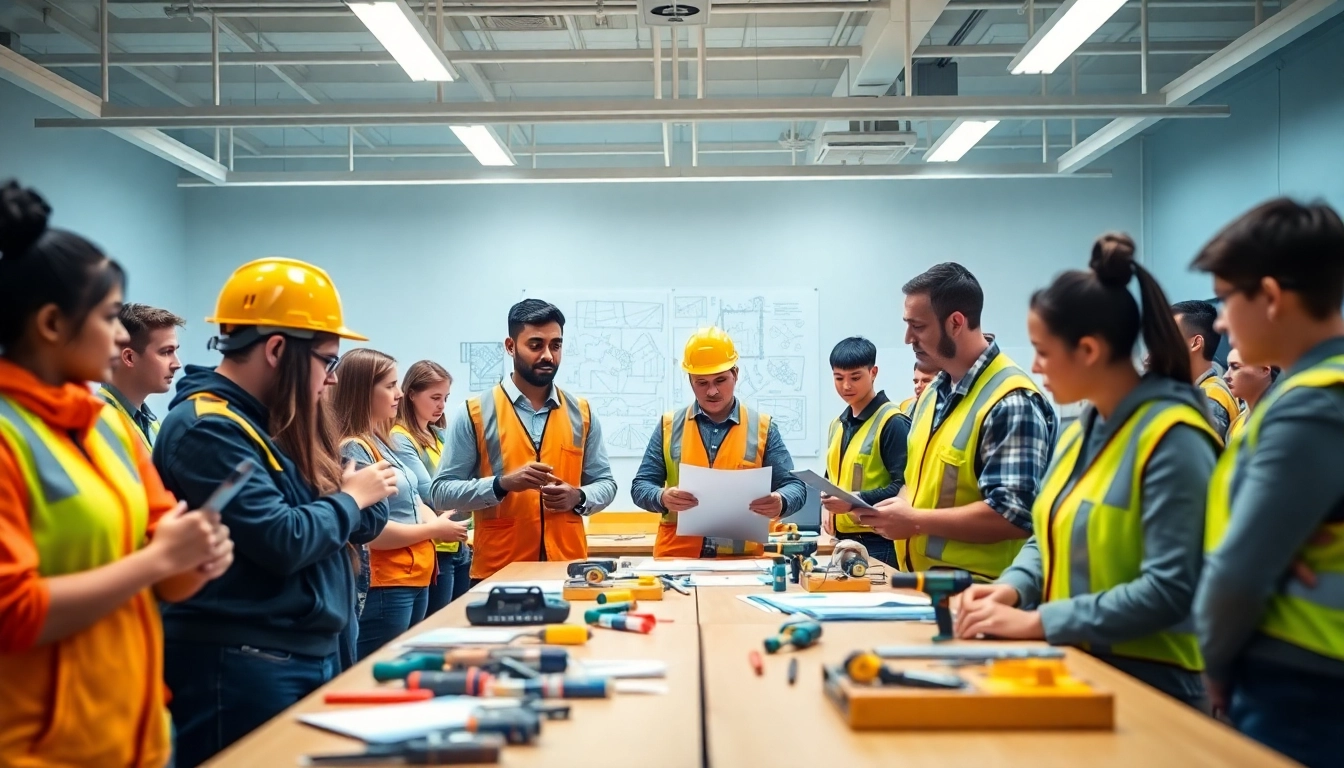
Incorporating hands-on learning into construction education is essential for developing practical skills. Workshops and lab sessions allow students to work with tools and materials they will encounter in the field. This experiential learning facilitates greater retention of information and reinforces the importance of safety protocols and procedural accuracy.
Integration of Technology in Construction Education
The integration of technology in construction education transforms how students engage with learning materials. Virtual reality (VR) and augmented reality (AR) applications provide immersive simulations of construction scenarios, enhancing understanding and retention. Furthermore, software programs used for design and project management allow students to familiarize themselves with the tools they will utilize in their careers.
Challenges in Construction Education
Addressing Accessibility Issues
One of the significant challenges in construction education is accessibility. Many potential students face barriers such as geographical limitations, financial constraints, or lack of information regarding available programs. To combat these issues, educational institutions can offer online courses, scholarships, and partnerships with local organizations to widen access to training opportunities.
Keeping Curriculum Relevant with Industry Changes
The construction industry is constantly evolving with new materials, methods, and technologies emerging regularly. Educators must ensure that their curriculum reflects current industry standards and practices. Regular assessments and feedback from industry partners can help educational institutions stay updated and maintain the relevance of their programs.
Overcoming Perception Barriers
Perception barriers regarding careers in construction can deter individuals from pursuing education in this field. Many view it as labor-intensive and less prestigious compared to other professions. Addressing these misconceptions through outreach programs and highlighting the critical roles and opportunities within the industry can encourage more students to consider construction education seriously.
Future Trends in Construction Education
Adoption of Virtual Learning Tools
The shift towards digital platforms for learning has been accelerated, making virtual learning tools increasingly popular in construction education. Online classes, webinars, and virtual discussions enable greater flexibility while reaching a broader audience. As technology advances, these platforms will likely become more sophisticated, incorporating AI and machine learning to personalize learning experiences.
Focus on Sustainable Practices
With a growing emphasis on sustainability and environmentally friendly practices, construction education programs are adapting to train students on green building techniques and materials. This focus will ensure that future construction professionals are equipped to make responsible decisions that contribute to long-term environmental sustainability.
Industry Collaborations for Real-World Experience
Future trends in construction education will likely include even greater collaboration between educational institutions and industry players. Partnerships may lead to internships, guest lectures, and immersive workshops that provide students with firsthand knowledge of current practices and trends. These experiences are invaluable for bridging the gap between education and real-world application.
Frequently Asked Questions
What are the benefits of construction education?
Construction education enhances skills, improves job prospects, and contributes to overall workforce quality, ensuring employers have well-trained professionals.
What types of programs are available in construction education?
Programs include vocational training, associate degrees, and hands-on apprenticeships tailored to diverse needs, providing various paths to enter the field.
How does technology influence construction education?
Technology integrates online learning, simulations, and innovative tools, aligning educational practices with current industry standards and methodologies.
What challenges does construction education face?
Challenges include accessibility issues, keeping curriculum current, and addressing misconceptions about the construction industry, affecting student enrollment.
What trends are emerging in construction education?
Emerging trends include virtual learning, sustainable practices, and increased collaborations with industry partners, enhancing student engagement and relevance.