
Your Educational Games Wake-Up Call: What’s Really Happening in 2026
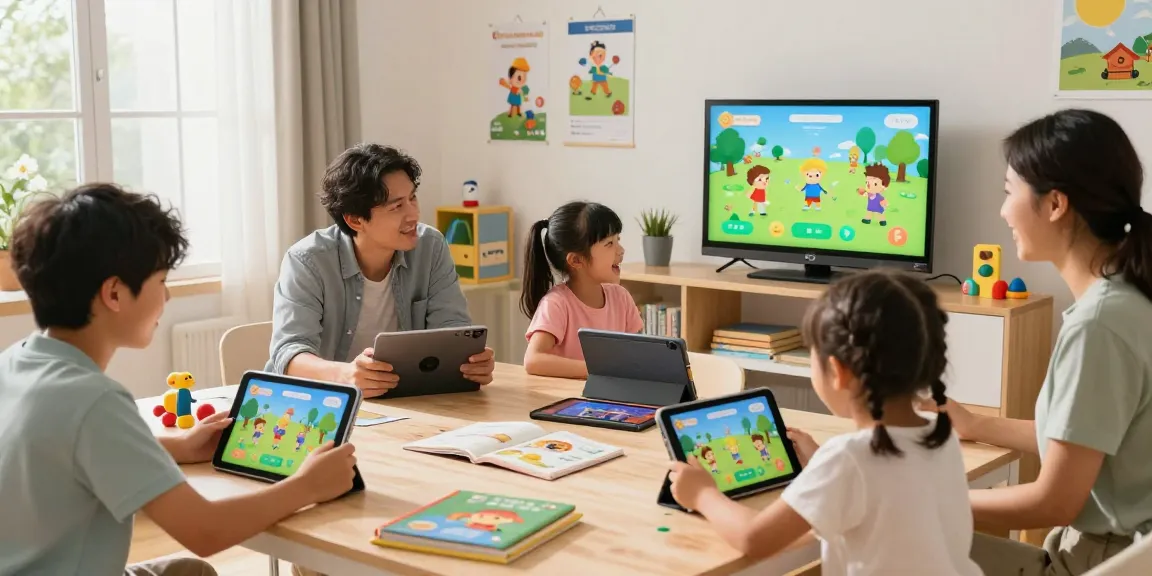
The Rise of Educational Games: A 2026 Perspective
As we navigate through 2026, the landscape of education continues to evolve, and at the forefront of this change is the rise of educational games. These innovative tools are not only engaging but are transforming how families approach learning. By integrating interactive gameplay with educational content, these games foster an environment where knowledge can be acquired in a fun and immersive manner. This shift towards digital edutainment has redefined traditional learning paradigms, making it essential for both parents and educators to embrace these changes.
Understanding Educational Games
Educational games are designed to facilitate learning through interactive experiences. They range from simple puzzles to complex problem-solving scenarios and are applicable across various subjects, including math, science, history, and literacy. These games are not merely a trend; they capitalize on the neuroscience behind learning—recognizing that engagement and enjoyment significantly enhance memory retention and skill acquisition.
Benefits of Interactive Learning
- Enhanced Retention: The interactive nature of educational games encourages active participation, which has been shown to improve retention rates compared to passive learning methods.
- Immediate Feedback: Players receive instant feedback throughout the game, allowing them to recognize their strengths and areas for improvement without the fear often associated with traditional test environments.
- Motivation Through Gamification: By incorporating elements such as rewards, levels, and challenges, educational games motivate learners to progress and excel.
Trends in Family Engagement through Play
Families are increasingly engaging in educational games together, leveraging them as a bonding activity. This trend is crucial as it not only promotes learning but also reinforces family dynamics. In a world where screen time can often lead to isolation, interactive gaming offers a unique opportunity for collaborative learning experiences.
How Educational Games Promote Skill Development
Critical Thinking and Problem Solving
One of the standout features of educational games is their ability to nurture critical thinking and problem-solving skills. Many games present players with real-world scenarios that require strategic thinking and creativity to solve challenges. For instance, games like “Civilization” encourage players to think critically about resource management and historical contexts, fostering a deeper understanding of societal development.
Enhancing Mathematics and Literacy Skills
Numerous educational games are specifically designed to reinforce math and literacy skills. Games that involve managing budgets, calculating distances, or spelling challenges can significantly bolster these fundamental competencies. The interactivity motivates players to practice these skills consistently, leading to marked improvements in academic performance.
Digital Literacy and Its Importance
In today’s digital age, being literate in technology is as important as traditional literacy. Educational games often require players to navigate digital platforms, making them adept at using technology effectively. This exposure is vital in preparing young learners for future academic and career endeavors, especially as the job market increasingly demands proficiency in digital tools.
Free-to-Play Educational Games: Accessibility and Impact
How Free Access Changes Learning Opportunities
The availability of free-to-play educational games has democratized learning opportunities. Families who may not have the resources to invest in expensive educational tools now have access to high-quality content. This shift is particularly beneficial in underprivileged communities where educational inequalities exist.
Analyzing the Quality of Available Free Games
While free games often attract users due to their zero-cost entry, it’s crucial to evaluate the quality of content offered. Many reputable platforms, such as Goxius, ensure that their games meet educational standards and provide meaningful learning experiences. Parents should look for reviews and educational backing when selecting free games for their children.
Raising Awareness on Educational Resources
As educational games gain traction, the importance of awareness surrounding available resources also rises. Various platforms curate lists of quality educational games tailored to different age groups and subjects, ensuring that families can find appropriate content easily. By emphasizing these resources, we can promote a culture of learning that is accessible and engaging.
The Role of Technology in Modern Education
Integrating Multimedia Content in Learning
Technology plays a critical role in modern education, particularly through the integration of multimedia content. Educational games often blend graphics, sound, and narration to create immersive experiences that cater to different learning styles. This multimedia approach not only enhances engagement but also caters to visual, auditory, and kinesthetic learners.
Future Predictions on Edutainment Platforms
Looking ahead, we can expect further advancements in edutainment platforms. With the advent of augmented reality (AR) and virtual reality (VR), educational games will likely become even more immersive. These technologies can simulate real-world experiences, making learning more impactful and memorable.
Case Studies of Technology-Driven Learning
Several educational institutions are already leveraging technology-driven learning. For example, programs that incorporate gaming into their curriculums report higher student engagement and improved academic outcomes. Such case studies exemplify the potential of educational games to revolutionize traditional teaching methods.
Creating Your Own Educational Games
Essential Tools and Resources for Development
For those interested in developing their own educational games, a wealth of tools and resources are available. Platforms like Scratch and Unity provide users with the capability to create interactive content without needing extensive programming knowledge. These user-friendly interfaces empower educators and parents alike to foster creativity and innovation in learning.
Collaboration with Educators and Creators
Creating impactful educational games often requires collaboration with educators to ensure content relevance and effectiveness. By working alongside teachers, developers can tailor games to meet specific curricular needs, enhancing their applicability in real-world educational settings.
Steps to Implement Interactive Learning in Your Home
Implementing interactive learning through educational games at home can be as simple as setting aside time for family game nights focused on educational games. Designating specific times for this activity encourages regular engagement and solidifies learning in a relaxed environment. Additionally, parents can participate in these games, providing support and encouragement while reinforcing the importance of education.
What are the benefits of educational games?
Educational games offer numerous benefits, including improved engagement, enhanced retention of information, and the promotion of critical thinking skills. They provide learners with practical applications of knowledge, making the learning process enjoyable and effective.
How can parents effectively use educational games?
Parents can enhance the effectiveness of educational games by choosing age-appropriate content and integrating learning objectives into gameplay discussions. Asking questions, providing context, and encouraging players to share their experiences can deepen understanding and reinforce concepts learned.
What skills do educational games help develop?
Educational games help develop a wide range of skills, including critical thinking, problem-solving, digital literacy, and essential academic skills such as mathematics and reading comprehension. They also foster collaboration and communication skills through multiplayer formats.
Are there free educational games available online?
Absolutely! Many platforms offer free educational games, providing a valuable resource for learners and families. Websites like Goxius provide a plethora of options that require no installation or accounts, making access simple and user-friendly.
What trends should we expect in educational gaming?
The future of educational gaming is poised to embrace more personalized learning experiences, thanks to advancements in artificial intelligence and adaptive learning technologies. These trends will allow games to tailor experiences to individual learning paths, ensuring that each player can progress at their own pace.