
Building Connections: The Role of a Construction Association in Industry Growth
The Importance of a Construction Association
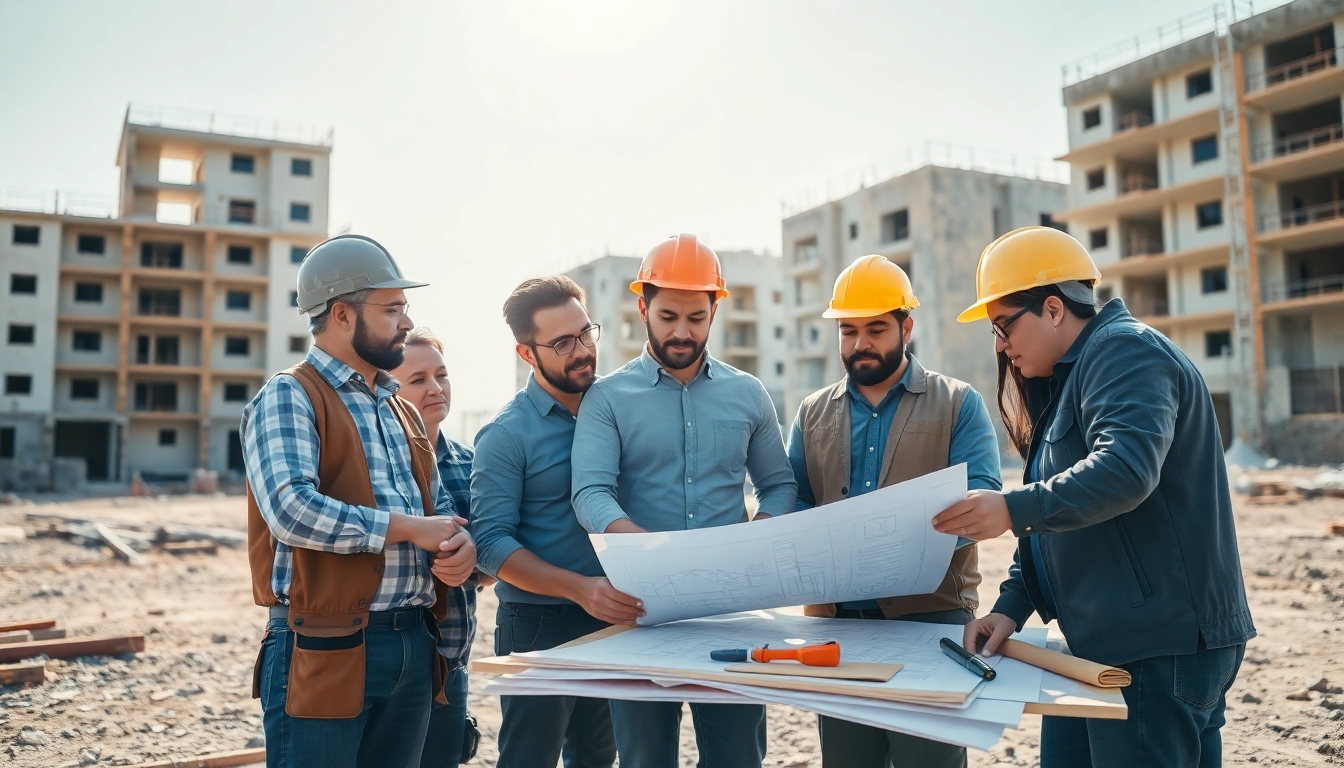
In the ever-evolving landscape of the construction industry, professional communities play a crucial role in fostering connections among stakeholders. A construction association stands at the forefront of this transformation, providing a platform for collaboration, advocacy, and professional development. These organizations serve various purposes, from safeguarding member interests to preparing professionals for the dynamic challenges of the construction field.
What is a Construction Association?
A construction association is a non-profit organization that represents the interests of professionals and businesses engaged in the construction process. This includes contractors, subcontractors, suppliers, engineers, architects, and various other stakeholders involved in building and infrastructure projects. Typically, these associations are structured to provide resources, training, networking, and advocacy, tailored to support their members and improve overall industry standards.
Key Benefits of Membership
Joining a construction association comes with numerous benefits. One of the most prominent advantages is access to a network of like-minded professionals and businesses, fostering collaborations and partnerships. Furthermore, members can benefit from exclusive training programs, educational resources, and industry certifications that enhance their skills and marketability.
Additionally, construction associations typically engage in advocacy efforts, representing their members’ interests at regional and national levels. This ensures that the construction industry’s voice is heard in policy decisions that affect its operations and viability.
Supporting Industry Standards
Construction associations play a significant role in developing and promoting industry standards and best practices. They collaborate with regulatory bodies to create guidelines that ensure safety, quality, and sustainability in construction practices. By setting these standards, associations not only help maintain a level playing field among industry players but also foster public trust in construction projects.
Developing Skills and Resources
Training Programs Offered
Many construction associations offer specialized training programs designed to enhance the skills of their members. These programs often cover essential topics such as safety protocols, project management, and new technologies. Workshops, seminars, and online courses provide opportunities for continuous education, ensuring that members remain competitive in a rapidly changing industry.
Networking Opportunities
Networking is one of the most valuable aspects of being a member of a construction association. Regular events, such as luncheons, conferences, and trade shows, allow members to connect with peers, potential clients, and industry leaders. Establishing these relationships can lead to collaborative projects, mentorship opportunities, and new business ventures, enhancing the overall success of individual members and the industry at large.
Access to Resources
Membership in a construction association typically grants access to a wealth of resources, including industry publications, research reports, and market data. These resources can provide valuable insights into trends, challenges, and opportunities within the construction sector, helping members to make informed decisions and strategically plan for the future.
Advocacy and Representation
Influencing Policy Decisions
Construction associations actively engage with policymakers to advocate for legislation and regulations that benefit the construction industry. By leveraging their collective voice, associations can influence decisions related to labor laws, safety regulations, and funding for infrastructure projects. This advocacy is essential for creating a favorable environment for construction businesses, ensuring they can operate effectively and efficiently.
Protecting Member Interests
Construction associations work diligently to protect the interests of their members. This includes providing legal support, negotiating with government entities, and addressing issues such as unfair practices or competition. By acting as a mediator, associations help resolve disputes within the industry, ensuring a healthier competitive landscape.
Engaging with Government
Engaging with local, state, and federal governments is a critical component of a construction association’s mission. Associations organize forums and meetings where members can voice their concerns and opinions on legislative matters affecting the industry. By fostering this dialogue, associations ensure that the needs and interests of construction professionals are represented in governmental discussions.
Challenges Facing Construction Associations
Addressing Industry Changes
The construction industry is constantly evolving, driven by advancements in technology, changes in regulations, and shifting market demands. Construction associations must adapt to these dynamics to remain relevant and valuable to their members. This may involve embracing new technologies, updating training programs, or modifying advocacy strategies to effectively address emerging trends.
Membership Retention Strategies
Retaining members in a construction association can be challenging, especially as competing organizations emerge. To maintain membership, associations must provide consistent value and demonstrate the benefits of belonging. This could involve enhancing training offerings, improving networking opportunities, and actively engaging members through communication and feedback channels.
Financial Sustainability
Financial health is a constant concern for construction associations. Many rely on membership fees, sponsorships, and event revenues to fund their operations. As such, associations must develop strategic financial planning practices and explore diverse revenue streams to ensure their long-term sustainability and ability to serve their members effectively.
Future of Construction Associations
Adapting to Technological Advances
As technology continues to revolutionize the construction industry, associations must embrace these innovations to remain relevant. This includes incorporating digital tools for marketing, communication, and member engagement. In addition, adopting cutting-edge technologies like building information modeling (BIM) and sustainable construction practices will be essential in preparing members for the future.
Expanding Global Reach
The globalization of the construction market offers opportunities for associations to expand their reach internationally. By forming partnerships with foreign organizations, construction associations can provide members with insights into global trends, market opportunities, and best practices from around the world. This global perspective can enhance the competitiveness of their members.
Sustainable Practices in Construction
Sustainability is becoming increasingly important in the construction sector. Associations can lead the charge in promoting environmentally-friendly practices and guiding members toward sustainable construction methods. This can involve developing training programs that focus on green building, energy efficiency, and sustainable materials, helping businesses reduce their environmental impact while improving profitability.
Frequently Asked Questions
What is the main role of a construction association?
The main role of a construction association is to represent the interests of its members, provide training and resources, and advocate for policies that benefit the construction industry.
How can membership in a construction association benefit my career?
Membership offers networking opportunities, access to training programs, industry resources, and a voice in policy advocacy, all of which can enhance your career and professional development.
Are construction associations involved in lobbying efforts?
Yes, construction associations engage in lobbying efforts to influence policy decisions related to the construction industry, ensuring that member interests are represented in governmental discussions.
What types of training programs do construction associations offer?
Programs typically include safety training, project management, new technology workshops, and certifications that enhance skills and knowledge in the construction sector.
How do construction associations support sustainability?
Associations support sustainability by promoting green building practices, providing training on sustainable methods, and advocating for policies that encourage environmental responsibility in construction.