Ways to Appreciate Chenin Blanc: From Tasting to Pairing
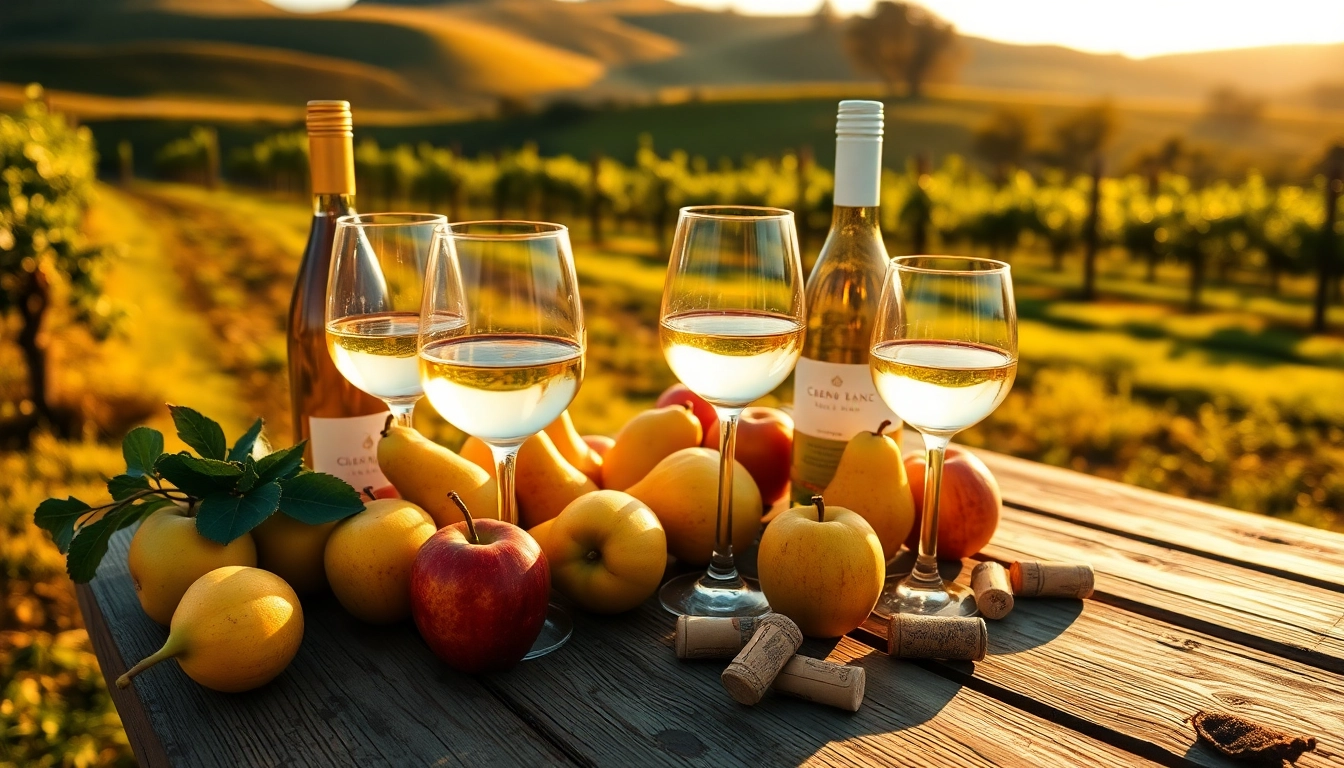
Understanding Chenin Blanc: An Overview
Chenin Blanc is a versatile white grape variety that has captured the hearts of wine enthusiasts around the world. Known for its adaptability and range of styles, this grape can produce anything from bone-dry to lusciously sweet wines. As you embark on your journey to understand Chenin Blanc, you’ll discover that its unique characteristics and flavors are influenced by a variety of factors. To explore this fascinating grape more comprehensively, you can refer to Chenin Blanc and delve into its storied lineage, tasting notes, and perfect pairings.
Origins and History of Chenin Blanc
Chenin Blanc’s history can be traced back to the Loire Valley in France, where it is believed to have originated more than a thousand years ago. Initially known as “pineau de la Loire,” it thrived in regions like Anjou, Saumur, and Vouvray. Its adaptability led it to be planted in a variety of climates around the globe, including South Africa, where it has gained exceptional popularity. Today’s South African Chenin Blanc wines are considered some of the best in the world, showcasing a diverse range of styles from dry to dessert wines. Understanding the historical context of Chenin Blanc aids in appreciating its evolution, which reflects the changes in viticulture practices and consumer preferences over centuries.
Types of Chenin Blanc and Their Characteristics
Chenin Blanc wines are not monolithic; they exhibit a remarkable diversity in style, influenced by factors such as climate, terroir, and winemaking techniques. Generally, you can categorize Chenin Blanc into four main styles:
- Dry Chenin Blanc: These wines are crisp and refreshing, often displaying bright acidity and flavors of green apple, pear, and citrus fruits.
- Off-Dry Chenin Blanc: Slightly sweet, these wines balance their sweetness with acidity, bringing out notes of honey, stone fruits, and floral aromas.
- Sweet Chenin Blanc: These wines are primarily produced in regions like Vouvray and often feature lush flavors of apricot, peach, and caramel. They can be made using late harvest techniques or noble rot.
- Sparkling Chenin Blanc: This style, popular in the Loire Valley, offers a refreshing alternative to traditional Champagne. These wines display integrated acidity and occasionally savory notes.
Key Regions Producing Chenin Blanc
The main regions producing Chenin Blanc highlight the grape’s adaptability. Key areas include:
- Loire Valley, France: The ancestral home of Chenin Blanc, known for its dry and sweet styles.
- South Africa: A significant producer, where Chenin Blanc has become a flagship variety, showcasing both modern and traditional winemaking techniques.
- California, USA: Chenin Blanc has a small but dedicated foothold, particularly in regions like Napa and Paso Robles.
- Australia: Though not as common, some regions in the country produce excellent Chenin Blanc wines, often with a unique expression.
The Taste Profile of Chenin Blanc
Aromas and Flavors Found in Chenin Blanc
Understanding the flavor profile of Chenin Blanc is paramount for wine lovers. Typically, it boasts a bouquet of aromas that can include:
- Green apple and pear in dry versions
- Floral notes of honeysuckle and chamomile
- Citrus fruits like lemon and lime
- Riper fruits, such as peach, apricot, and tropical fruits in sweeter styles
- Earthy and minerally notes in wines from distinguished terroirs
This variety’s ability to express its terroir further complicates its taste, making Chenin Blanc a true gem in the world of wine.
How Terroir Influences Chenin Blanc
Terroir, the unique combination of soil, climate, and topography, shapes the final character of Chenin Blanc wines. For instance, vineyards planted on schist soil tend to yield wines with pronounced minerality, while those on limestone often produce wines with more floral notes. In California, the warmer climate leads to riper fruit flavors, while the cooler Loire Valley allows for brighter acidity and finesse. Understanding terroir is essential for both producers and consumers to grasp the nuances that influence every bottle of Chenin Blanc.
Decoding Sweetness Levels in Chenin Blanc
One of the unique aspects of Chenin Blanc is its capacity to produce wines that range from dry to sweet. Labels may often indicate dryness or sweetness levels; however, tasting is the best way to ascertain these characteristics. Wines classified as “dry” typically have less than 5 grams of residual sugar per liter, while “off-dry” wines may have 5 to 20 grams. Sweet Chenin Blanc can exceed 20 grams of residual sugar and will be more luscious. Consumers should be aware that factors like acidity play a significant role in the perception of sweetness.
How to Taste Chenin Blanc Like a Pro
Steps for a Proper Tasting Experience
Tasting Chenin Blanc should be an engaging and enlightening experience. Follow these steps for a thorough tasting:
- Observe: Check the wine’s clarity and color by holding it against a white background.
- Swirl: Gently swirl the wine in your glass to release its aromas.
- Smell: Take a moment to inhale the fragrance; try to identify different note profiles.
- Taste: Take a sip and let the wine coat your palate, paying attention to the flavors and texture.
- Conclude: Assess the wine’s finish and complexity, noting how long the flavors linger.
Recognizing Quality Indicators in Chenin Blanc
When tasting Chenin Blanc, several indicators can signify a high-quality wine. Look for:
- A well-balanced acidity that complements sweetness without overshadowing it.
- Complex aromatic profiles that evolve in the glass.
- A consistent flavor profile that reflects the wine’s terroir.
- An enduring finish that leaves a lasting impression.
The presence of these traits often distinguishes exceptional Chenin Blanc from average offerings.
Common Tasting Terms Explained
Familiarizing yourself with wine tasting terminology can enhance your appreciation of Chenin Blanc:
- Body: Refers to the wine’s weight on the palate—light, medium, or full.
- Acidity: The crispness or “tartness” of the wine that can refresh the palate.
- Tannin: Though primarily associated with reds, some white wines can exhibit tannin, which contributes to structure.
- Finish: The flavors and sensations that persist after swallowing; a long finish is often associated with quality.
Pairing Chenin Blanc with Food
Best Food Pairings for Chenin Blanc
Chenin Blanc’s versatility makes it an excellent companion for various dishes. Here are some prime pairing suggestions:
- Seafood dishes, such as grilled shrimp or scallops
- Light salads with citrus vinaigrette
- Roasted chicken with herbs
- Spicy dishes, including Thai or Indian cuisine
- Soft cheeses like Brie or Camembert
Each pairing reveals different facets of Chenin Blanc, making the dining experience more enriching.
Tips for Serving Chenin Blanc
Proper serving enhances the tasting experience of Chenin Blanc. Here are some key tips:
- Chill wines to the recommended temperature, usually between 45°F to 50°F for dry styles and slightly warmer for sweet varieties.
- Use a tulip-shaped glass to concentrate the aromas while allowing some room for swirling.
- Consider decanting older or complex Chenin Blanc to allow it to breathe before serving.
Regional Dishes Complementing Chenin Blanc
Exploring regional cuisine can enhance your appreciation for Chenin Blanc. For example:
- Loire Valley: Pair with rillettes or goat cheese.
- South Africa: Enjoy with bobotie or biltong for a fusion of flavor.
- American South: Complement with jambalaya or fried catfish for a delightful combination.
Frequently Asked Questions about Chenin Blanc
What is the best temperature to serve Chenin Blanc?
The ideal serving temperature for dry Chenin Blanc is around 45°F to 50°F. For sweeter styles, serving slightly warmer enhances the aromas and flavors.
Can Chenin Blanc age well in the bottle?
Yes, high-quality Chenin Blanc has excellent aging potential, especially from premium regions like Vouvray, where the balance of acidity and sugar can lead to improved complexity over time.
Is Chenin Blanc sweet or dry?
Chenin Blanc can be produced in various styles, ranging from dry to incredibly sweet. The level of sweetness is often indicated on the label or can be discerned through tasting.
What are the health benefits of drinking Chenin Blanc?
In moderation, Chenin Blanc may offer heart health benefits due to the presence of antioxidants. Additionally, enjoyment of wine in social settings can enhance psychological well-being.
How do I choose a quality Chenin Blanc?
To select a quality Chenin Blanc, consider the producer’s reputation, read reviews, and assess the wine’s balance of flavors, acidity, and complexity during tasting.