
Understanding Carbon Monoxide Detector Beeping: Causes and Solutions
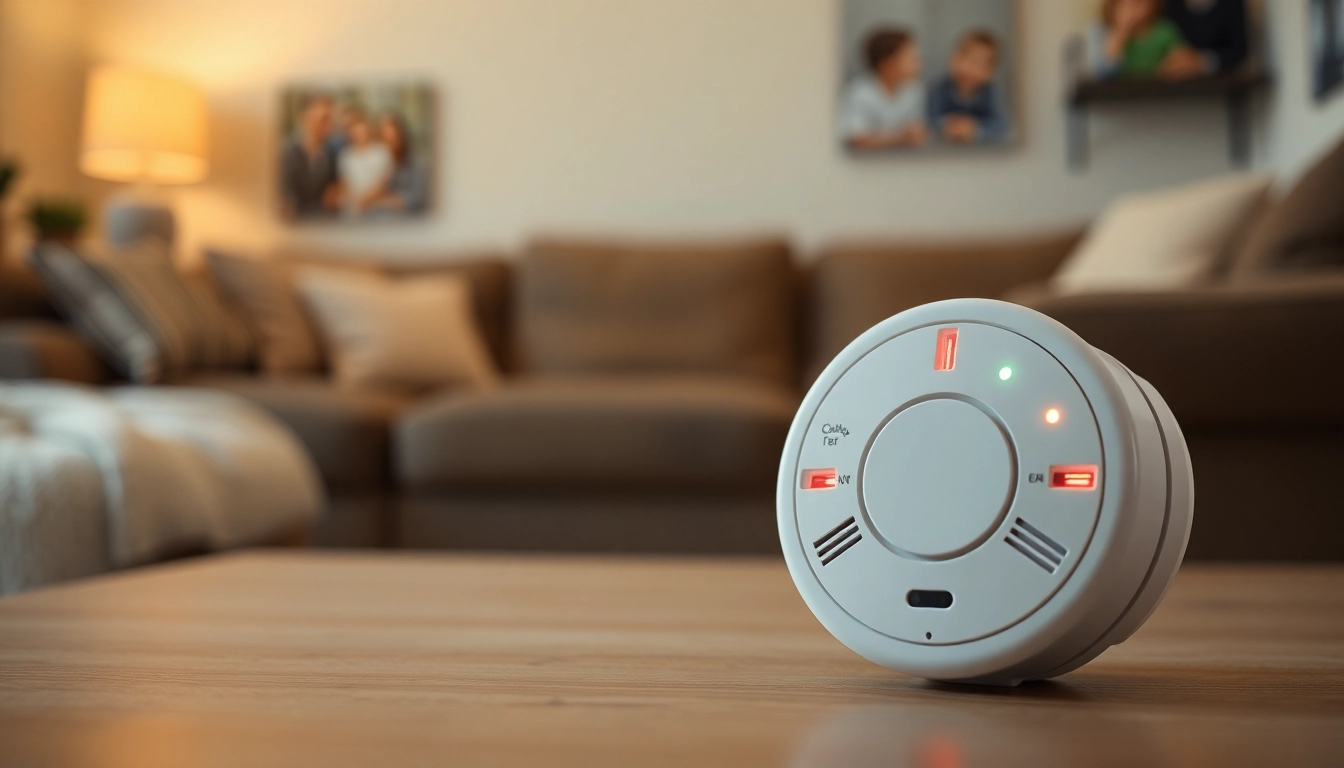
Introduction to Carbon Monoxide Detector Beeping
The beeping of a carbon monoxide detector can evoke panic among homeowners, especially when unsure of its meaning. Understanding the reasons behind carbon monoxide detector beeping is crucial for safety and effective troubleshooting. In this guide, we will delve into what a carbon monoxide detector is, why it beeps, and the importance of recognizing these alerts. With this knowledge, you can act promptly and safeguard your home and loved ones from the dangers of carbon monoxide.
What is a Carbon Monoxide Detector?
A carbon monoxide detector is a device designed to sense the presence of carbon monoxide (CO) gas in the environment. Typically installed in residential, commercial, and industrial properties, these detectors serve as an early warning system against the colorless, odorless gas that can pose significant health risks or result in fatality. They operate using sensors that detect CO concentration levels and trigger alarms when concentrations exceed safe limits.
Why Do Carbon Monoxide Detectors Beep?
Carbon monoxide detectors beep for several reasons, primarily signaling the need for immediate attention. The beeping can indicate normal operational statuses such as a low battery or a malfunctioning device. Alternatively, it may indicate dangerous levels of carbon monoxide present in the vicinity, prompting urgent action. Understanding what each beep means is essential for effective response and safety.
Importance of Recognizing Beeping
Recognizing the distinct patterns of beeping from your carbon monoxide detector helps identify the issue at hand quickly. Misinterpretation of these signals can lead to inadequate responses, jeopardizing safety. Regularly familiarizing yourself with your detector’s sounds fosters awareness and preparedness, which is paramount in emergency situations involving CO exposure. For additional insights on managing situations related to carbon monoxide detector beeping, continue reading.
Common Reasons for Carbon Monoxide Detector Beeping
Low Battery Issues
One of the most common causes of a carbon monoxide detector beeping is a low battery. This signal typically consists of a regular chirp, alerting you that it’s time to replace or recharge the batteries. Most detectors require their batteries replaced every 6 months to a year, depending on usage and product specifications. Neglecting this maintenance can lead to diminished functionality of the device and delay critical alerts to dangerous CO levels.
Malfunctioning Sensor
If your detector is beeping and battery levels are fine, the sensor may be malfunctioning. Over time, dust, dirt, or other contaminants can impede its ability to operate correctly. A constant beeping pattern might indicate that the sensor is unable to detect CO levels accurately. Consulting the manufacturer’s manual on how to clean or reset the device may resolve the issue, but frequent malfunctions often necessitate replacement of the detector.
Carbon Monoxide Presence
Most alarmingly, prolonged or continuous beeping signifies that there is a presence of carbon monoxide in your home. This is a critical situation that warrants immediate evacuation from the premises. If your detector indicates CO presence, call local emergency services or fire departments before re-entering the environment. Remember, carbon monoxide poisoning can occur rapidly and can lead to serious health complications or death.
Troubleshooting Carbon Monoxide Detector Beeping
Checking Battery Levels
The first step in troubleshooting a beeping carbon monoxide detector should involve checking the battery levels. Each model differs in maintenance requirements, but generally, accessing the battery compartment is straightforward. If the battery power is low, replace it with a high-quality battery to ensure reliable function. Regularly testing batteries by using built-in test buttons can provide peace of mind and preempt potential emergencies.
Cleaning the Detector
Cleaning your carbon monoxide detector periodically can assist in preventing sensor malfunctions. Dust and debris can accumulate on the sensor lens, impairing its efficiency. Most manufacturers recommend cleaning your device every few months, using a soft, lint-free cloth or a vacuum with a soft brush attachment. Always refer to the product manual for specific cleaning instructions tailored to your model.
Understanding Alarm Signals
Each carbon monoxide detector may produce unique beeping codes to signify different issues. Understanding the specific signal patterns is fundamental. Continuous beeping typically indicates a dangerous CO level, while intermittent chirps often denote low battery or malfunction. Familiarizing yourself with your system’s alarm signals can empower you to respond appropriately when the need arises.
Maintaining Your Carbon Monoxide Detector
Regular Testing
Routine testing of your carbon monoxide detector is essential for ensuring correct operation. It’s advisable to test weekly using the test button on the unit. Performing this simple task can verify that the sensor and alarm system are functioning correctly and that the battery is charged. Incorporating this practice into regular household maintenance routines can significantly enhance your safety preparedness.
Replacement Guidelines
Carbon monoxide detectors are not designed to last indefinitely. Typically, they should be replaced every 5 to 7 years, depending on the manufacturer’s recommendations. Over time, sensors can degrade, leading to less reliable detection. Always check the product’s expiry date and keep a record of when the unit was installed, prompting timely replacement.
Best Practices for Placement
Strategic placement of your carbon monoxide detector can enhance its effectiveness. Install detectors in every sleeping area, outside rooms, and on each level of your home. For optimal performance, position them approximately 5 feet off the ground, where CO gas is likely to accumulate. Avoid placing them near vents or cooking appliances, as this can lead to false alarms.
FAQs about Carbon Monoxide Detector Beeping
What should I do if my detector is beeping?
If your carbon monoxide detector is beeping, check for a low battery first. If it’s still beeping, evacuate immediately and check for carbon monoxide presence.
How often should I replace my carbon monoxide detector?
Carbon monoxide detectors should generally be replaced every 5 to 7 years to ensure accurate detection of carbon monoxide levels.
Can cooking trigger my carbon monoxide detector?
Yes, excessive cooking fumes or a malfunctioning appliance can potentially trigger a carbon monoxide detector to beep due to rising gas levels.
Is a beeping detector always a sign of danger?
Not always. Sometimes beeping indicates low battery or malfunction. Always check your manual and test regularly.
Where should I install carbon monoxide detectors?
Install detectors near sleeping areas and on every level of your home, ensuring they are placed around 5 feet from the ground for best performance.