
In-Depth Bed Bug Removal Analysis: Proven Strategies for Success in 2026
Understanding Bed Bugs: The Basics of Infestation
Bed bugs have become a significant concern for homeowners and renters alike, particularly in major urban areas like Milwaukee. These nocturnal pests can disrupt sleep and cause distress, often leading to feelings of anxiety and helplessness. Understanding their behavior, life cycle, and the signs of infestation is crucial for effective bed bug removal. This guide explores the essential information you need to identify and combat a potential bed bug problem in your home.
What are Bed Bugs and How Do They Live?
Bed bugs are small, oval-shaped insects that range in color from light brown to reddish-brown. Adults typically measure between 1/4 to 3/8 of an inch in length, similar in size to an apple seed. These pests are not known to transmit diseases, but their bites can be incredibly uncomfortable, leading to itching, inflammation, and secondary infections. Bed bugs feed exclusively on blood, and their preferred hosts are humans, although they can also feed on animals.
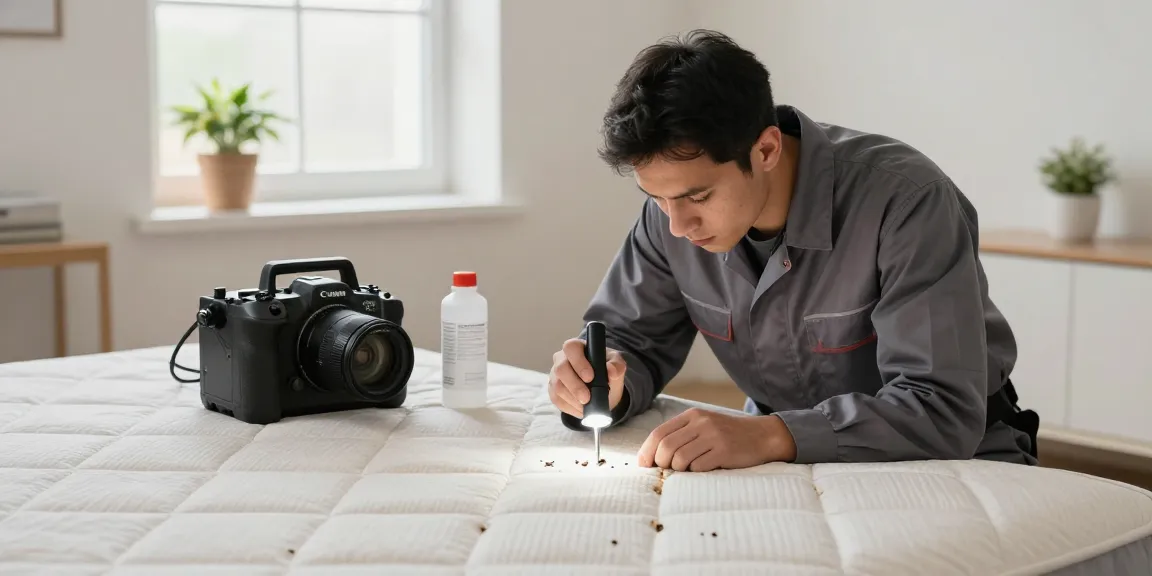
Identifying Signs of Bed Bug Infestation
Detecting a bed bug infestation early can save you a lot of stress and financial burden. Look for the following signs, which indicate the presence of bed bugs:
- Small blood stains on sheets or mattresses, often resulting from crushed bugs.
- Dark, inky spots, which are bed bug droppings.
- Bed bug eggs or shed skins, which are small and translucent.
- Itchy welts or bites on the skin, often appearing in clusters or lines.
The Life Cycle of Bed Bugs and Their Resilience
Bed bugs undergo several stages of growth: egg, nymph, and adult. A female bed bug can lay up to 7 eggs per week, leading to rapid population growth. The eggs hatch in about a week, and the nymphs begin feeding shortly thereafter. Bed bugs are incredibly resilient; they can survive months without feeding, making eradication challenging. Their ability to hide in small cracks and crevices allows them to proliferate unnoticed. Understanding this life cycle is essential for effective treatment strategies.
Effective Bed Bug Removal Techniques
Once an infestation is confirmed, it’s paramount to act swiftly to eliminate bed bugs effectively. There are three primary methods of treatment: heat treatment, chemical treatments, and a combination of both.
Heat Treatment: An Eco-Friendly Solution
Heat treatment is one of the most effective and environmentally friendly ways to eradicate bed bugs. This method involves raising the temperature of a room to a level that is lethal to bed bugs, typically around 120°F (49°C). This approach has several benefits:
- It is capable of killing bugs at all life stages, including eggs.
- Heat treatments are chemical-free, reducing the risk of exposure to toxins.
- Many clients report fewer concerns about future infestations with this method.
Chemical Treatments: Pros and Cons
Chemical treatments involve the application of insecticides to targeted areas where bed bugs are suspected. While these treatments are effective in killing bed bugs on contact and providing residual effects, they also come with potential downsides:
- Some individuals may have allergic reactions to the chemicals used.
- Improper application can lead to incomplete eradication and potential resistance development.
- Follow-up treatments may be necessary to eliminate newly hatched nymphs.
The Ultimate Combo Treatment Approach
A combination of heat and chemical treatments often yields the best results. This multi-faceted approach attacks bed bugs from multiple angles, enhancing the chances of complete extermination. By employing both methods, you can achieve immediate results while also ensuring long-term efficacy against any remaining pests.
Prevention Strategies for Bed Bug Infestation
Prevention is key to avoiding a bed bug infestation. Understanding how to inspect your home regularly and taking necessary precautions can greatly reduce the risk of these pests.
How to Inspect Your Home for Bed Bugs
Regular inspections can help you catch a bed bug problem before it escalates. Check common hiding spots, including:
- The seams of mattresses and box springs.
- Bed frames and headboards.
- Cracks in walls and flooring.
- Behind pictures and other wall hangings.
Travel Tips to Avoid Bringing Bed Bugs Home
Traveling can increase the risk of unknowingly transporting bed bugs back to your home. To minimize this risk, consider these tips:
- Inspect hotel rooms for signs of bed bugs before settling in.
- Keep luggage off the floor and beds; use luggage racks instead.
- Wash and dry your clothes on high heat immediately upon returning home.
Implementing Preventative Measures: Best Practices
In addition to inspections and travel tips, implementing routine pest control measures can deter bed bugs:
- Seal cracks and crevices where bed bugs might enter your home.
- Utilize mattress and box spring encasements specifically designed to prevent bed bug access.
- Vacuum regularly and dispose of the vacuum contents in sealed bags.
Commercial vs. Residential Bed Bug Removal
The approach to bed bug removal can vary significantly between residential and commercial settings. Understanding these differences is critical to selecting the right service.
Understanding the Different Needs of Residential Treatments
Residential treatments often involve direct interaction with families and pets. This requires pest control specialists to use family-safe and pet-safe methods. Additionally, they must be sensitive to the emotional distress caused by infestations and provide thorough education about the process.
Commercial Solutions: Adapting to Business Environments
In contrast, commercial bed bug removal must account for the nature of the business environment. Hotels, offices, and retail spaces require discreet, fast-acting solutions to minimize disruption to operations. This often demands a tailored approach that may include both preventative measures and immediate eradication strategies.
Case Studies: Success Stories from Our Clients
Many clients have experienced successful bed bug removal through our comprehensive treatments. For instance, a local hotel that faced severe criticism for bed bug complaints implemented our combined heat and chemical treatment plan. Post-treatment inspections revealed no signs of ongoing infestation, and customer feedback reflected a renewed sense of trust in their services.
Future Trends in Bed Bug Control for 2026 and Beyond
The pest control industry is evolving rapidly, with new technologies and consumer preferences shaping future strategies for bed bug management.
Emerging Technologies in Pest Control
Innovative technologies, such as smart sensors and heat treatment systems, are becoming increasingly prevalent in pest control. These advancements enhance the ability to detect and eliminate bed bugs effectively, often before they become a problem.
Consumer Preferences Shaping the Industry
Today’s consumers are more aware and concerned about their environmental impact. As a result, pest control companies are focusing on eco-friendly solutions that not only eliminate pests but also protect human and pet health.
Expert Insights on Preventative Solutions
Continuous education and training for pest control professionals are essential in staying ahead of bed bug outbreaks. Investing in knowledge about new treatments and preventive measures can greatly enhance client satisfaction and success rates.
Frequently Asked Questions
What are the most effective methods for bed bug removal?
The most effective methods include heat treatments, chemical sprays, and a combination of both to ensure thorough eradication.
How long does a typical bed bug treatment take?
A typical treatment can take anywhere from a few hours to a full day, depending on the severity of the infestation and the method of treatment used.
What should I do before bed bug extermination?
Prior to treatment, remove clutter, wash and dry linens on high heat, and follow any specific preparation instructions given by your pest control professional.
Are DIY treatments effective for bed bugs?
While some DIY methods can kill individual bed bugs, they are generally ineffective for full infestations due to their inability to reach all hiding spots.
How do I know if my bed bug treatment was successful?
A successful treatment will usually include a follow-up inspection by pest control professionals to ensure no signs of bed bugs remain.