Expert Tips for Effective Bathroom Remodelling

Understanding Bathroom Remodelling Basics
Embarking on a bathroom remodelling project can be an exhilarating yet daunting journey. From enhancing the aesthetic appeal to improving functionality, there are many factors that contribute to a successful bathroom transformation. This section will delve into the foundational aspects of bathroom remodelling, guiding you through defining your goals, understanding key elements, and budgeting effectively.
Defining Your Remodelling Goals
The first step in any remodelling project is to establish clear and concise goals. Are you looking to increase the value of your home, create a relaxing spa-like atmosphere, or simply update the fixtures? Identifying the purpose of your remodel will guide all subsequent decisions. For instance, if resale value is your primary concern, focus on modern trends, efficient layouts, and durable materials that appeal to a wide range of potential buyers.
Key Elements of a Successful Project
Several fundamental components need to come together for a successful bathroom remodel. These include:
- Layout: A well-thought-out layout enhances both functionality and comfort.
- Quality Fixtures: Invest in high-quality sinks, toilets, and bathtubs to ensure longevity.
- Storage Solutions: Adequate storage can help maintain an organized and clutter-free environment.
- Aesthetic Appeal: Utilize colors, patterns, and styles that reflect your personal taste while staying versatile.
Budgeting: What to Consider
Budgeting is perhaps the most crucial step in your remodelling journey. It’s essential to establish a sensible financial plan before undertaking a remodel. Consider the following:
- Materials Costs: Allocate funds for tiles, countertops, fixtures, and cabinetry.
- Labor Costs: If hiring professionals, factor in labor costs, which can vary widely depending on the complexity of the project.
- Contingency Funds: Set aside an additional 10-20% for unexpected expenses that often arise during renovations.
Popular Trends in Bathroom Remodelling
Staying updated on current trends can significantly influence the success of your remodel. Understanding popular styles and innovative features will help create a more modern and functional space.
Modern vs. Classic Styles
Choosing between modern and classic styles can set the tone for your entire bathroom. Modern designs often incorporate clean lines, minimalistic features, and bold color contrasts. In contrast, classic styles generally evoke a sense of timeless elegance, often using softer palettes, intricate details, and traditional materials. When selecting a style, consider your home’s overall aesthetic and how your new bathroom will fit into that context.
Eco-Friendly Choices for Sustainable Design
In today’s environmentally conscious world, opting for sustainable materials and fixtures can set your remodel apart. Eco-friendly choices range from water-saving toilets and showerheads to sustainable flooring options like bamboo or recycled materials. Not only do these choices benefit the planet, but they can also lower utility bills in the long run.
Incorporating Technology and Smart Fixtures
Smart technology is rapidly transforming interior design, and bathrooms are no exception. From automated faucets and heated flooring to smart mirrors that adjust lighting based on your natural rhythms, incorporating these features can enhance comfort and efficiency. Consider how technology can make daily routines more convenient and improve the overall user experience.
Step-by-Step Guide to Bathroom Remodelling
A successful bathroom remodel follows a structured process, ensuring all critical components are addressed. Below are essential phases to consider in your planning.
Planning and Design Phases
Begin by sketching out design ideas and planning the layout. Engage with professionals for input and expertise, especially if you’re uncertain about structural changes. Use design software or online tools to visualize your ideas. Furthermore, obtaining necessary permits early can save time during the implementation phase.
Choosing Materials and Finishes
Selection of materials is pivotal to both aesthetics and practicality. Choose finishes that not only complement your chosen style but also withstand moisture and wear over time. Stone countertops, porcelain tiles, and water-resistant paints are popular choices. Aim for a balance between quality and budget, remembering that higher upfront costs can lead to savings through durability.
Hiring Contractors vs. DIY
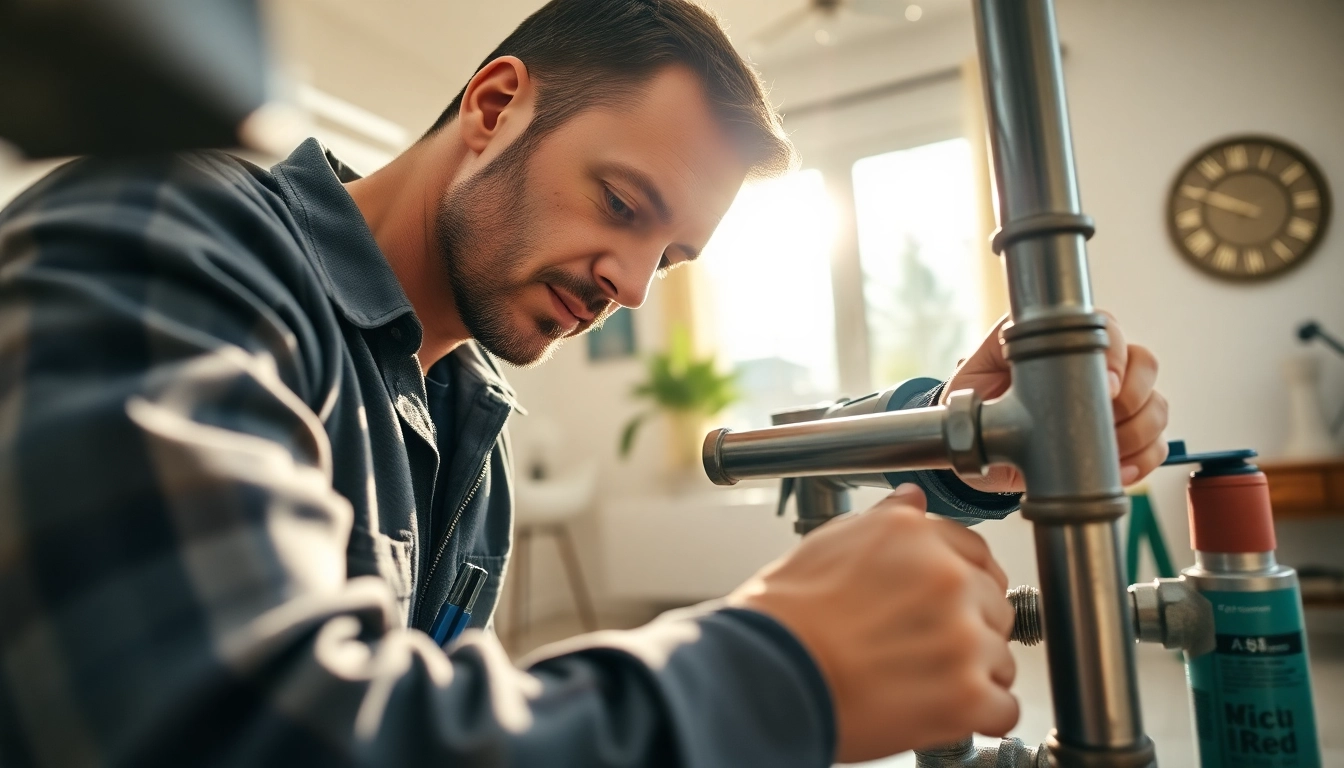
The decision to hire professionals or undertake the project yourself depends largely on your skillset and the complexity of your remodel. For significant structural changes or systems involving plumbing and electrical work, professionals may be the safer route. Conversely, simpler cosmetic upgrades can often be successfully managed through DIY efforts, provided you are equipped with the right tools and tutorials.
Common Challenges in Bathroom Remodelling
No remodel is without its hurdles. This section highlights typical challenges you might face during your bathroom remodelling journey and offers practical solutions.
Dealing with Space Limitations
Many homes come with small bathrooms, posing challenges in design and functionality. To maximize space, consider installing wall-mounted vanities, using light colors to open up the area visually, and incorporating smart storage solutions that are both practical and stylish. Mirrors can also create an illusion of space, making the bathroom feel larger than it is.
Managing Plumbing and Electrical Issues
Old plumbing and electrical wiring can complicate a remodel and potentially delay timelines. If your remodel involves moving fixtures, it’s wise to consult licensed contractors to ensure everything is up to code. Regular inspections during the remodel can prevent costly surprises later. Plan for these tasks early in your project to keep everything on schedule.
Overcoming Design Dilemmas
Design dilemmas are common as aesthetic choices can be subjective. Maintaining a functional layout while adhering to stylistic preferences can be tricky. To help with decision-making, create mood boards and involve stakeholders in the early phases. Gathering feedback can clarify preferences that lead to better overall choices.
Maintaining Your Remodeled Bathroom
Daily and Weekly Maintenance Tips
Establish a routine for everyday cleaning and maintenance. Simple tasks like wiping down surfaces, squeegeeing the shower after use, and managing moisture will prevent mold and mildew buildup. Schedule deeper cleanings weekly to tackle soap scum and other buildup.
Long-Term Renovation Care
In addition to routine cleaning, long-term care involves checking fixtures, resealing grout, and addressing wear and tear as it arises. Keep an eye on plumbing for leaks, and take note of any changes that may signal a need for repairs. For instance, discoloration and water stains can often indicate underlying issues.
Seasonal Updates and Checks
Finally, perform seasonal inspections to identify necessary updates. This could involve checking caulking, reaffixing fixtures, or refreshing paint. Seasonal cleanings help preserve the appearance and quality of your remodelling work, and they’ll save you money in unexpected repairs down the line.
FAQs
What are the costs associated with bathroom remodelling?
Costs vary widely based on materials and scale, but an average remodel can range from $5,000 to $15,000, depending on the features and finishes chosen.
How long does a typical bathroom remodelling take?
A standard bathroom remodel usually takes between 4 to 6 weeks, depending on factors like the remodel’s complexity and availability of materials and labor.
What are the most essential elements in bathroom remodelling?
Key elements include a functional layout, quality fixtures, adequate storage solutions, and a stylish design that matches your personal taste.
Can I remodel my bathroom on a budget?
Yes, it’s possible to achieve a fresh look on a budget by focusing on aspects like paint, fixtures, and accessories rather than a complete overhaul.
Should I hire a professional or do it myself?
Your choice depends on your skills and the complexity of the remodel; hiring professionals ensures quality results, whereas DIY can save costs for simpler tasks.