Essential Guide to the Sandakphu Trek: Itinerary, Tips, and Stunning Views
Introduction to Sandakphu Trek
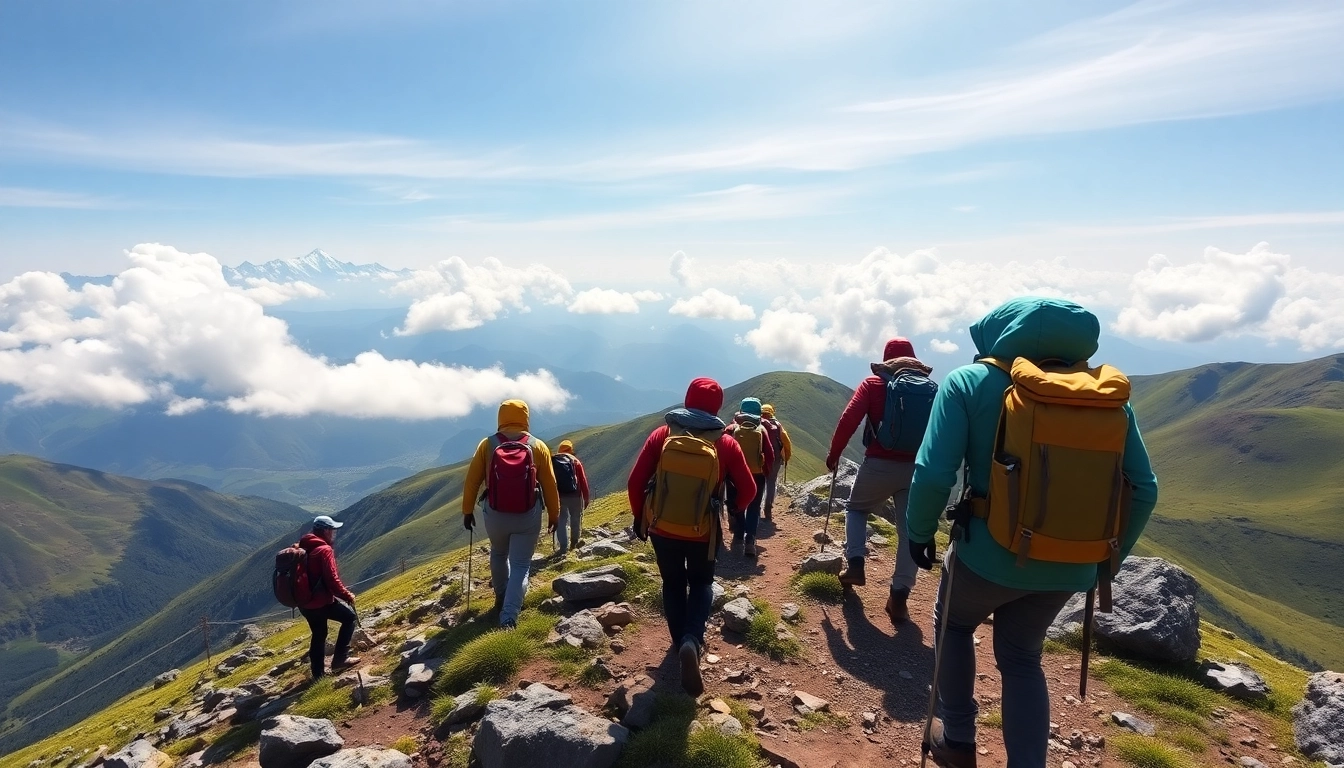
The sandakphu trek stands as one of the most iconic trekking experiences in the Indian Himalayas, drawing adventurers and nature lovers alike. Nestled on the border of India and Nepal, this trek rewards its explorers with unparalleled views of some of the highest peaks in the world, including Mount Everest and Kanchenjunga.
One of the unique aspects of the Sandakphu trek is its interchange between various terrains—ranging from lush rhododendron forests to enchanting meadows. This journey not only offers spectacular vistas but also immerses trekkers in the rich biodiversity of the region. In this comprehensive guide, we’ll explore what the Sandakphu trek entails, its various attractions, preparation methods, and safety tips, ensuring you have a fulfilling trekking experience.
What is the Sandakphu Trek?
The Sandakphu trek, often defined by its breathtaking panoramas and cultural significance, boasts a trail that stretches approximately 50 kilometers (31 miles). Trekkers generally need about 6-7 days to complete this trek, moving through an altitude that climbs from around 1,400 meters (4,593 feet) at the starting point to about 3,636 meters (11,929 feet) at Sandakphu peak.
Renowned for its relatively moderate difficulty level, this trek is suitable for both seasoned hikers and aspiring novices alike. Nonetheless, individuals with a good fitness level and a sense of adventure will find this trek particularly enjoyable. The route runs parallel to the Indo-Nepalese border, giving trekkers a cultural touchpoint as they traverse local villages and picturesque landscapes.
Popular Attractions along the Trek
Throughout the Sandakphu trek, you’ll encounter a variety of stunning attractions that will enhance your experience:
- Four Peaks at a Glance: The summit provides stunning views of four of the world’s five highest peaks including Mount Everest, Kanchenjunga, Lhotse, and Makalu.
- Magnolia and Rhododendron Forests: As you progress through the trail, vibrant forests filled with blooming rhododendrons and magnolias create an immersive nature experience, especially during the spring.
- Local Villages: Interactions with local communities offer insights into the traditions and lifestyles of the Sherpa people, deeply rooted in the region.
- From Sandakphu to Phalut: This extended route can be undertaken for those wanting to experience the beauty of Phalut, known for panoramic views and serene landscapes.
Best Time to Experience the Sandakphu Trek
The ideal seasons for trekking Sandakphu are spring (March to April) and autumn (October to November). During these months, the weather is generally stable, providing clear skies for optimum views. Spring sees the vibrant blooms of rhododendrons and other flowers, while autumn offers crisp air and stunning sunset skies. Trekking during these periods will not only enhance your experience but also offer a comfortable climate for hiking. It is crucial to check weather forecasts before proceeding, as conditions can change rapidly in mountainous regions.
Preparation for Sandakphu Trek
Preparation is the key to a successful trekking experience. Whether you are a beginner or an experienced trekkers, awareness of both physical and logistical prerequisites can significantly enhance your journey.
Essential Gear and Packing Tips
When embarking on the Sandakphu trek, packing wisely is vital. Below are essential items to include in your trek kit:
- Footwear: Invest in a good pair of trekking shoes that provide adequate support and grip for varied terrains.
- Clothing: Layered clothing is advisable. Base layers, fleece jackets, and waterproof jackets can help in adapting to temperature variations.
- Sleeping Bag: As temperatures can drop significantly, ensure you have a sleeping bag rated for the conditions.
- Hydration System: A hydration pack or water bottles are essential to stay hydrated as you trek.
- Health Kit: Include basic medical supplies, including altitudes sickness medication, band-aids, and antiseptic wipes.
Physical Preparation for the Sandakphu Trek
Physical conditioning is essential for a rewarding trek. Engage in cardiovascular exercises such as jogging, cycling, and brisk walking to improve stamina. Climbing stairs or hiking on hilly terrains will also help condition your legs and enhance your trekking capability. To avoid altitude sickness, consider spending time acclimatizing before beginning the trek.
Choosing the Right Trekking Route
While the traditional route is popular, certain alternatives may enhance your experience. The main trail is often popular among trekkers, but choosing less frequented paths can lead to serene experiences and stunning views. Consider consulting guides or local advisories for lesser-known routes that offer remarkable views and cultural experiences.
Sandakphu Trek Itinerary
Here’s a suggested day-by-day itinerary to better structure your adventure while maximizing your experience along the Sandakphu trek:
Day-by-Day Breakdown
While variations may exist depending on the trekking company or independent plans, here’s a simplified itinerary:
- Day 1: Drive to Manebhanjan and trek to Chitrey – acclimatization and initial warm-up trek.
- Day 2: Trek from Chitrey to Meghma, experiencing local cultures and beautiful landscapes.
- Day 3: Trek to Tumling, crossing into the Nepal border with striking mountain views.
- Day 4: Ascend to Sandakphu, enjoy breathtaking sunsets and explore the peak region.
- Day 5: Summit to Phalut for spectacular panoramas, return to Sandakphu.
- Day 6: Start descending back to Tumling, enjoying the lush surroundings.
- Day 7: Descend to Chitrey and drive back to Manebhanjan.
Must-See Landmarks During the Trek
Throughout this trek, certain landmarks stand out for their breathtaking views and cultural significance:
- Sandakphu Peak: The apex of the trek, offering 360-degree views of some of the highest peaks, including the Sleeping Buddha formation of Everest and Kanchenjunga.
- Raim top: Known for panoramic views stretching into the neighboring countries and valleys.
- Local Monasteries: Interact with local culture through visits to monasteries, revealing insights into the local customs and faith.
Accommodation Options along the Sandakphu Trek
Accommodation options along the trek range from local homestays to basic lodges. While camping is also an option, many trekkers prefer to stay in teahouses that provide basic amenities and warmth. Pre-booking rooms can ensure availability, especially during peak trekking seasons. The hospitality of local owners often enrich the trekking experience, offering insights into local life and culture.
Safety Tips for Sandakphu Trek
Focusing on safety can make a significant difference during your trek. With elevation changes and varying weather conditions, the following precautions should be adhered to:
Understanding Weather Conditions
Weather can change unexpectedly in the mountains. Always check forecasts prior. Dressing in layers enables flexibility when temperatures fluctuate dramatically. Avoid trekking during heavy snow or rain to minimize risks.
Altitude Sickness: Prevention and Symptoms
Altitude sickness can affect any trekker irrespective of fitness levels. Symptoms can include headache, nausea, and dizziness. To prevent altitude sickness, ascend slowly and stay hydrated. Familiarize yourself with the symptoms and be prepared to descend if any significant symptoms arise.
Emergency Contacts and Resources
Maintaining a list of emergency contacts is vital. This includes local guides, nearby hospitals, and family back home. It is advisable to trek with a companion or a group for increased safety, as help can be invaluable in emergencies.
Frequently Asked Questions about Sandakphu Trek
What is the best way to reach Sandakphu?
The best way to reach Sandakphu is to drive from Manebhanjan, which serves as a base point. Local jeeps can be arranged for comfort and convenience.
How difficult is the Sandakphu trek?
The Sandakphu trek is considered to be moderate. While it presents some challenges, a healthy individual can comfortably complete it with proper preparation.
Can I see Mount Everest from the Sandakphu trek?
Yes, from Sandakphu, trekkers enjoy spectacular views of Mount Everest and several other peaks, all visible from this vantage point.
What is the total distance of the Sandakphu trek?
The total distance for the Sandakphu trek is approximately 50 kilometers (31 miles), typically completed in about 6-7 days depending on the route.
Is it possible for beginners to undertake the Sandakphu trek?
Yes, the Sandakphu trek is accessible for beginners in good physical shape. The trek can be completed with proper training and acclimatization to higher altitudes.