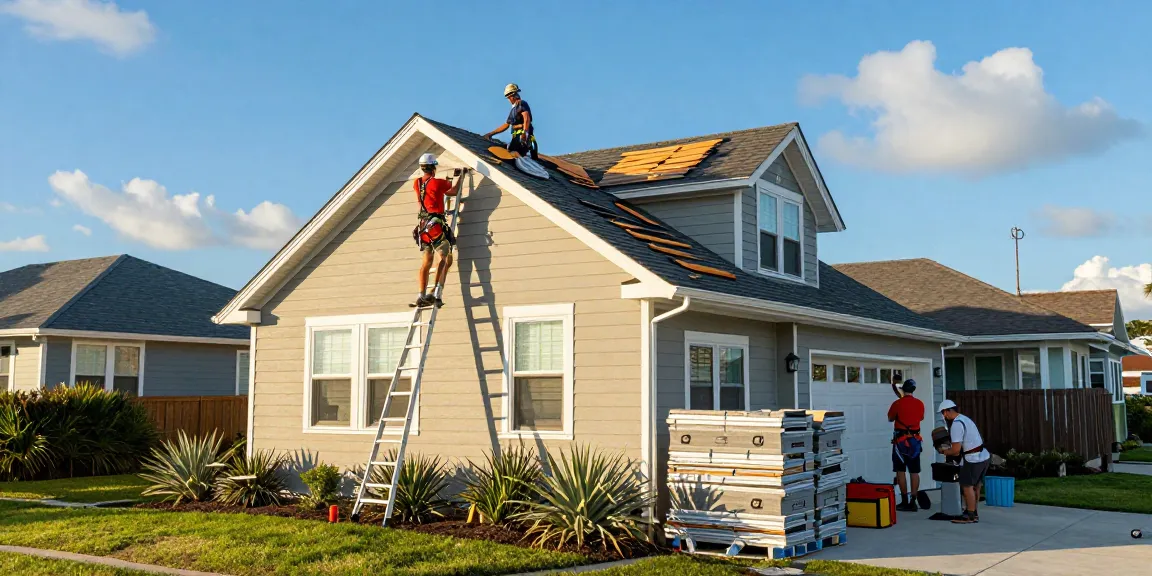
Enhancing Living Spaces: Modern Cape Cod Homes with Attached Garages

Introduction to Cape Cod Homes
Cape Cod homes embody a unique blend of charm, practicality, and coastal aesthetics that resonates with many homeowners. With their origins tracing back to the early colonial period, these homes are steeped in history and tradition. The simple yet functional design of cape cod homes makes them an attractive choice for various lifestyles and preferences. Whether you are seeking a permanent residence or a vacation retreat, cape cod homes offer timeless appeal.
History and Characteristics of Cape Cod Homes
Originating in the 17th century, the Cape Cod house style was developed by English settlers in New England. These homes were designed to withstand the harsh climate of the coastline, featuring steep roofs that efficiently shed snow and prevent water accumulation. Typically, the historical structures were one to one-and-a-half stories with dormers, symmetrical facades, and central chimneys, promoting both functionality and aesthetics. The use of wooden clapboard siding, often painted in light hues, accentuates their coastal character.
Why Choose Cape Cod Homes?
Choosing a Cape Cod home comes with myriad advantages. Their classic design is not only visually appealing but also functional. These homes provide excellent insulation, reducing energy costs. Furthermore, their layout lends itself well to expansion and customization, making them a flexible choice for growing families or those looking to add modern amenities. Additionally, the coastal aesthetic aligns beautifully with nature, promoting a serene living environment.
Modern Interpretations of Cape Cod Styles
While maintaining their quintessential charm, modern interpretations of Cape Cod homes are emerging. Contemporary designs incorporate innovative materials and eco-friendly technologies, resulting in sustainable yet stylish residences. Open floor plans are becoming more popular, allowing for flow and connectivity within living spaces. Enhanced outdoor living areas, such as decks and patios, further extend the functionality of these homes, adapting to modern lifestyles.
Benefits of Expanding Cape Cod Homes
Expanding Cape Cod homes can provide significant benefits for homeowners, from increasing property value to enhancing lifestyle comfort. By attaching new spaces such as garages or additional living areas, you can maximize functionality without sacrificing the character of the home.
Creating More Space with Attachments
As families grow and lifestyles change, creating additional space becomes essential. One of the most popular approaches is adding attachments like sunrooms, guest suites, or home offices. These expansions not only accommodate evolving needs but also enhance the property’s overall value. When designed thoughtfully, they blend seamlessly with the original architecture, preserving the classic Cape Cod aesthetic while introducing modern functionality.
Incorporating Garages Effectively
Garages are a practical addition to any home, offering shelter for vehicles and extra storage space. In Cape Cod homes, a well-designed garage can complement the traditional style while providing efficient utility. When planning a garage, consider features such as peaked roofs to match existing structures, use of similar materials, and aesthetic details like shutters to maintain coherence with the home’s exterior. An attached garage not only adds convenience but can also be an attractive design element.
Design Considerations for Expansions
When expanding a Cape Cod home, several design considerations come into play. The first is ensuring that any new additions harmonize with the original structure. Matching materials and colors are vital for visual consistency. Furthermore, it’s essential to retain the home’s proportions and scale; a large addition can overwhelm the delicate design elements characteristic of Cape Cod homes. Additionally, ensuring adequate insulation and energy efficiency in new spaces will contribute to the home’s sustainability.
Design Elements of Cape Cod Homes
Cape Cod homes are distinct not only for their historical significance but also for their unique architectural features. Understanding these design elements can help homeowners appreciate their beauty and apply them effectively in their own spaces.
Exterior Features and Materials
The exterior of a Cape Cod home is characterized by its simplicity and charm. Common elements include symmetrical facades, steeply pitched roofs, and dormer windows, which add to the home’s dimensionality. Traditional materials such as wood siding, often painted in soft colors, contribute to the coastal feel. Modern homes may incorporate composite materials for durability while achieving an authentic Cape Cod look. Landscaping, with native plants, complements the aesthetic, enhancing the overall curb appeal.
Interior Layout and Functionality
Inside a Cape Cod home, the layout typically features a central hallway with rooms branching off. This design promotes a sense of flow and intimate gathering spaces, which are pivotal in family-centered homes. The open-plan concept is gaining traction, allowing for seamless transitions between the kitchen, dining, and living areas. Incorporating natural light through well-placed windows and skylights can dramatically enhance the atmosphere, making spaces feel larger and more inviting.
Landscaping Ideas for Cape Cod Aesthetics
Landscaping plays a crucial role in the overall aesthetic of Cape Cod homes. Native plants that thrive in coastal settings not only add beauty but also support local wildlife and decrease water usage. Incorporating flowering shrubs, ornamental grasses, and stone pathways can create a welcoming environment. Additionally, outdoor living spaces like decks or patios can extend the enjoyment of these homes, providing areas for relaxation and entertainment while enhancing the home’s character.
Building Regulations and Best Practices
Expanding or constructing a new home often involves navigating building regulations and best practices to ensure compliance and sustainability. Understanding local regulations can help homeowners avoid pitfalls and ensure their projects run smoothly.
Navigating Local Zoning Laws
Before starting any home expansion, it is crucial to understand local zoning laws, which dictate property use, building height, and lot coverage. Researching these regulations can help prevent legal issues down the road. It is advisable to consult with local planning officials or a knowledgeable architect who can guide you through the specific requirements relevant to your location.
Permitting Processes for Expansions
The permitting process for home expansions can vary widely depending on location and project scope. Generally, homeowners need to submit plans and specifications to local authorities for approval. Gathering all necessary documentation in advance can streamline the process, minimizing delays. It’s also beneficial to familiarize yourself with potential impact assessments, especially in coastal areas where environmental regulations are stricter.
Choosing the Right Contractors
Selecting skilled contractors is essential for the successful execution of any home expansion project. Conducting thorough research, checking references, and reviewing portfolios can help you identify qualified professionals. Look for contractors experienced in Cape Cod-style homes to ensure they understand the nuances involved in maintaining the architectural integrity. A good contractor should also prioritize clear communication and project management to keep your renovation on track.
FAQs About Cape Cod Homes
What are the key features of Cape Cod homes?
Key features include steeply pitched roofs, dormer windows, symmetrically arranged facades, and wood siding. These elements create a timeless coastal aesthetic, combining practicality and charm.
How much does it cost to expand a Cape Cod home?
The cost to expand a Cape Cod home varies based on size and design complexity. On average, expenses can range from $150 to $300 per square foot, depending on materials and labor.
What style should garage doors be for Cape Cod homes?
Garage doors for Cape Cod homes should complement the architecture. Clad wood or carriage house-style doors are ideal choices, matching the home’s classic aesthetics while providing functionality.
Can I have modern amenities in a Cape Cod home?
Yes, modern amenities can seamlessly integrate into Cape Cod homes. Incorporating energy-efficient appliances and smart home technology enhances comfort while preserving historic charm.
Are Cape Cod homes energy efficient?
Cape Cod homes can be energy-efficient when designed or renovated with proper insulation, weatherproofing, and modern HVAC systems. These upgrades significantly enhance energy conservation and comfort.