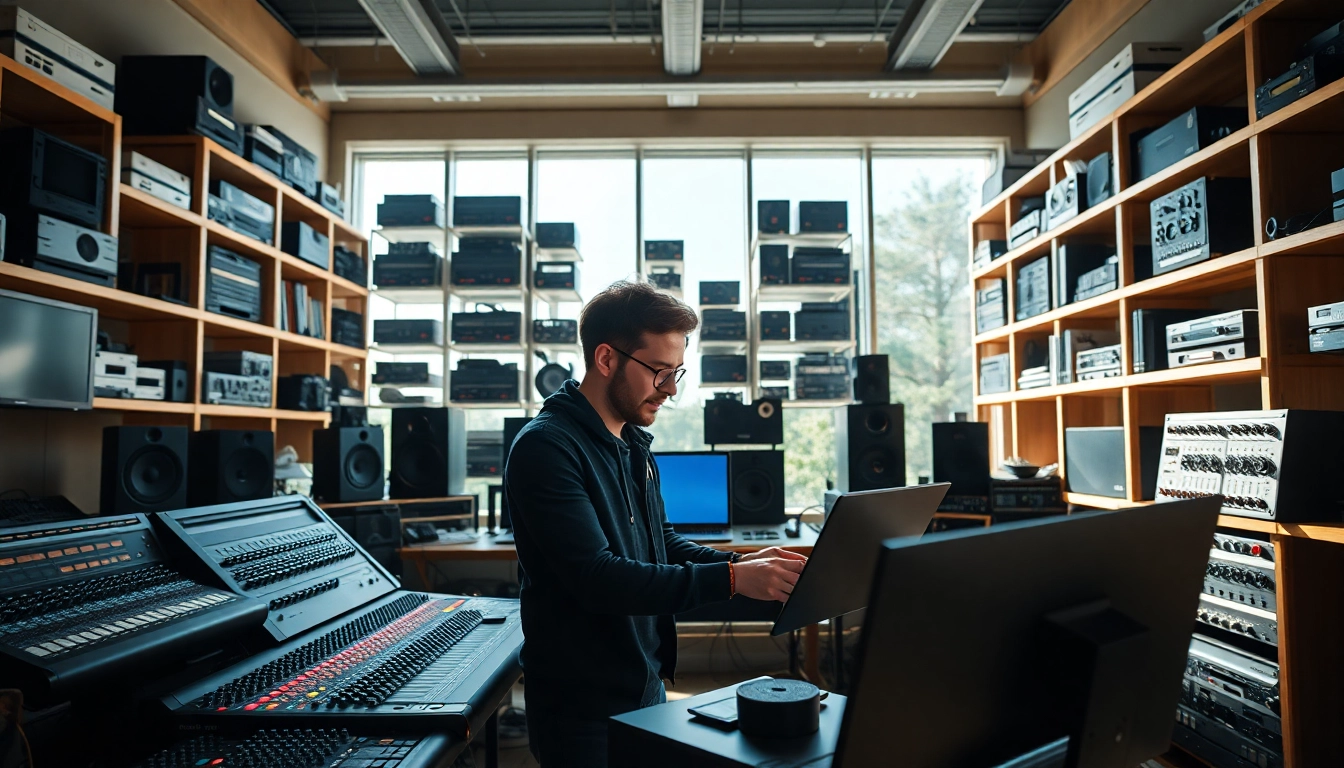
Understanding Online Mastering Basics
What is Online Mastering?
Online mastering is the process of finalizing a music track remotely, using internet-based services that provide professional audio mastering. This process involves the manipulation of sound to ensure the final track is polished and ready for distribution across various platforms such as streaming services, radio, or physical formats. Artists and producers can upload their tracks to an online mastering service where mastering engineers use specialized software and techniques to enhance the sonic quality of the audio. The result is a well-balanced and cohesive piece that maintains the artist’s original vision while meeting industry standards.
The Importance of Mastering in Music Production
Mastering is a critical step in music production that serves several essential functions. Its primary goal is to ensure that the track sounds consistent across all playback systems, including speakers, headphones, and even mobile devices. Effective mastering enhances the track's loudness, clarity, and dynamic range, helping it to stand out in a competitive market. Additionally, it helps in achieving the desired tonal balance that allows different musical elements to coexist harmoniously. Poorly mastered tracks can result in listener fatigue, loss of detail, and an overall negative reception.
How Online Mastering Differs from Traditional Mastering
The primary difference between online mastering and traditional mastering lies in the process and accessibility. Traditional mastering typically involves an in-person session where the mastering engineer works directly with the artist and producer. This allows for real-time communication and adjustments, which can be advantageous for certain artistic decisions. However, online mastering allows for greater flexibility and convenience, enabling artists from different geographical locations to access high-quality mastering services. Online platforms often provide automated feedback and quick turnaround times, making professional mastering more accessible to independent artists and smaller producers.
Choosing the Right Online Mastering Service
Key Features to Look For in a Service
When selecting an online mastering service, it's essential to assess the various features that may impact the quality of your final track. Look for services that offer:
- Professional Engineers: Ensure that the service employs qualified mastering engineers with substantial experience and a proven track record.
- Multiple Format Options: The best services should accept various file formats, allowing you to submit your tracks in the most convenient and compatible format.
- Customization Options: Look for services that provide options for modifying the mastering process based on your specific needs and preferences.
- Feedback Mechanisms: Services that allow you to communicate with the mastering engineer can enhance the final output, enabling adjustments based on your feedback.
- Fast Turnaround Times: Efficiency is critical, particularly for artists needing quick releases or those operating on tight schedules.
Comparing Pricing Structures and Packages
Pricing structures for online mastering services can vary widely. Some services offer pay-per-track pricing, while others may have subscription models that offer bulk pricing for multiple tracks. It's crucial to analyze what's included in each package, as some might offer revisions, while others don't. Compare the value of included features against the price to get the best return on your investment. Additionally, keep an eye out for hidden fees such as those associated with file formats or expedited services. Understanding the pricing can help you make an informed decision that fits your budget while yielding quality results.
Reading Reviews and Testimonials Effectively
Before committing to an online mastering service, reading reviews and testimonials from previous customers can provide valuable insights. Look for reviews that detail the user experience, communication with the engineer, and the quality of the final product. Pay attention to any recurring themes or consistent feedback in multiple reviews, as this can indicate the reliability and quality of the service. Also, consider the overall rating alongside individual testimonials to ensure you’re getting a comprehensive view of what to expect.
Preparing Your Tracks for Online Mastering
Optimal Formats and Specifications
Preparing your tracks for online mastering is a crucial step that can significantly impact the final outcome. Typically, you should submit high-quality audio files in formats such as WAV or AIFF, ensuring they are at least 24-bit depth and have a sample rate of 44.1kHz or higher. This ensures your audio maintains its quality throughout the mastering process. Additionally, it’s recommended to leave headroom in your tracks; aim for peaking at about -6dB to -3dB to allow the mastering engineer space to work with dynamics effectively.
Common Mistakes to Avoid
Many artists and producers make common mistakes when preparing their tracks for mastering. One prevalent mistake is submitting poorly mixed tracks, which can lead to inefficient mastering outcomes. Ensure that you’ve balanced the levels of different instruments and vocals before submission. Another common issue is not providing instructions; clear communication regarding your preferences for sound and style is vital. Lastly, avoid finalizing your track too late in the process—give yourself time to listen and reflect on your mix before sending it for mastering.
Setting the Right Expectations with Your Mastering Engineer
Communicating your expectations clearly with your mastering engineer can improve the final product. Specify the type of sound you're aiming for, any reference tracks that resonate with your vision, and any particular elements you want emphasized or de-emphasized. Understanding that mastering is an art, not an exact science, will help you approach the process with an open mind. Be prepared for some creative input from the engineer, as their expertise may suggest changes that could enhance your track in ways you hadn't anticipated.
Best Practices for Online Mastering
Understanding Loudness and Dynamics
Loudness and dynamics are critical components of mastering. Today's music industry standard often emphasizes a loud and clear mix, but it’s important to balance loudness with dynamic range. Tracks that are too compressed can lose their energy and impact, making them sound flat. Understanding the loudness war can inform your approach; aim for an integrated loudness that meets the standards of your genre without sacrificing the overall dynamics of the track. Tools such as LUFS meters can help you measure your track's loudness effectively.
Enhancing Your Mixing for Improved Mastering Results
The mastering process can only be as good as the mix that precedes it. Enhancing mix quality is key to achieving optimal mastering results. Use proper EQ techniques to avoid frequency clashes, utilize compression correctly to maintain control over dynamics, and pay close attention to reverb and effects that can muddy the mix if overused. By refining your mix and ensuring clarity and separation among elements, you will set a solid foundation for a successful online mastering experience.
Using Reference Tracks During Mastering
Reference tracks can be an invaluable tool in the mastering process. These are professionally mastered tracks that are similar to your song in style and genre. Having a reference track allows you to benchmark the loudness, tonal balance, and overall sonic quality that you want to achieve. Load your reference track into your mastering session and switch back and forth while making adjustments, ensuring that your track aligns with industry standards. This practice can illuminate areas needing improvement and guide your decisions throughout the mastering phase.
Evaluating Your Mastered Tracks
Listening Techniques for Quality Control
After receiving your mastered track, evaluating its quality is essential before final distribution. Employ various listening techniques by testing the track on different playback systems: headphones, car speakers, and home stereo systems will reveal how well your track translates across environments. Additionally, make note of any frequency imbalances, inconsistent levels, or areas lacking clarity during these listening sessions. This thorough evaluation can guide potential adjustments or confirm that the track is ready for release.
Gathering Feedback and Making Adjustments
Seeking feedback from trusted peers or industry professionals can provide invaluable perspective on your mastered track. Constructive criticism can highlight aspects you may have overlooked, leading to a better final product. Compile feedback from various sources, analyze common themes, and consider making adjustments based on the most significant pieces of input. However, ensure that any changes align with your artistic vision, as not all feedback will resonate with your intended aesthetic.
Tracking Your Success and Results
Once your track is released, tracking its success can provide insight into how effective your mastering process was. Monitor metrics such as streaming counts, digital downloads, and listener engagement across platforms. Engaging with your audience and assessing their reactions can help you determine if the mastered track meets their expectations. Analyze whether this track performs better than previous releases, setting benchmarks for future projects.
FAQs:
1. What files should I submit for online mastering?
Submit high-quality WAV or AIFF files, preferably at 24-bit depth and sample rates of 44.1kHz or higher.
2. How long does online mastering take?
Typically, online mastering can take anywhere from a few hours to several days, depending on the service chosen.
3. Can I communicate with the mastering engineer?
Most online mastering services allow communication to discuss specific preferences or changes needed.
4. What’s the difference between mixing and mastering?
Mixing involves blending individual audio tracks, while mastering is the final polish, ensuring the overall track sounds cohesive.
5. Do I need to master every track?
While not mandatory, mastering is highly recommended for professional sound quality and compatibility across platforms.