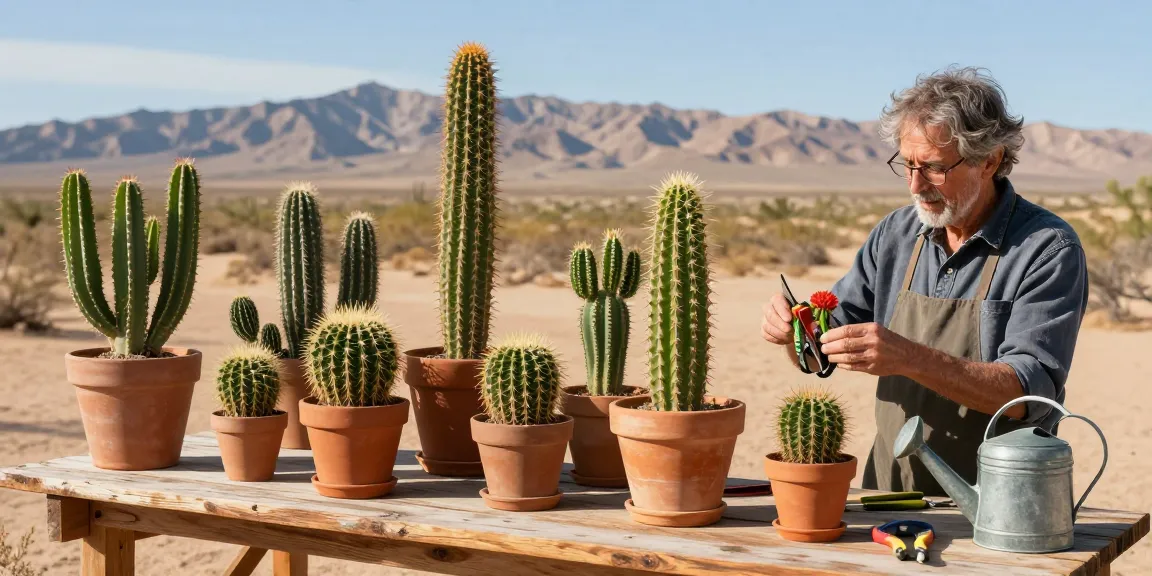
Understanding Lophophora Williamsii: A Unique Cactus
Lophophora williamsii, commonly known as Peyote, is a fascinating small cactus native to the arid regions of Mexico and the southern United States. This plant has garnered significant attention not only for its unique ecological adaptations but also for its historical, cultural, and psychoactive significance. As the popularity of desert plants continues to rise in both gardening and medicinal communities, understanding the core traits and requirements of Lophophora williamsii becomes essential for enthusiasts and collectors alike. In this article, we'll delve into the historical and botanical aspects of this iconic cactus while providing practical cultivation tips to help you successfully incorporate it into your indoor or outdoor garden.
What is Lophophora Williamsii?
Lophophora williamsii is a small, spineless cactus characterized by its unique rounded form and vibrant green coloration. Typically measuring 5 to 12 centimeters in height, this cactus can produce colorful flowers ranging from white to pink during its blooming season. The most notable feature of Peyote is its psychoactive alkaloids, particularly mescaline, which have been utilized by various Indigenous cultures in religious and ceremonial practices for centuries.
Historical Significance of Peyote
The historical significance of Lophophora williamsii cannot be overstated. Its use can be traced back more than 5,000 years, primarily among Native American tribes in Mexico and the southern U.S. The cactus has played an essential role in spiritual rituals, with its psychoactive properties being used to induce altered states of consciousness for divination, healing, and communion with the divine. The significance of Peyote in these cultures has led to both protection under law and ongoing discussions about its legality and ethical implications in modern society.
Botanical Characteristics and Growth Requirements
Lophophora williamsii exhibits several fascinating botanic characteristics that contribute to its appeal among collectors. The plant thrives in well-draining, sandy soil and prefers a warm, dry climate typical of desert environments. It is drought-tolerant and has adapted to survive long periods without water, making it an excellent choice for those looking to cultivate low-maintenance plants.
Best Practices for Cultivating Lophophora Williamsii
Growing Lophophora williamsii can be particularly rewarding, but it does require specific care to ensure optimal growth. By understanding soil requirements, watering techniques, light conditions, and pest management, cactus enthusiasts can cultivate these unique specimens effectively.
Soil and Potting Recommendations
When selecting soil for Lophophora williamsii, look for a mix that offers excellent drainage while providing adequate nutrients. A combination of cactus potting mix with added perlite or sand is ideal. This mix creates a loose structure that prevents root rot, a common issue with cacti. Choose pots with drainage holes to facilitate proper water runoff.
Watering and Fertilizing Techniques
Watering should be done sparingly, allowing the soil to dry out completely between watering sessions. During the growing season, typically from spring to fall, watering every two to three weeks is adequate. When applying fertilizer, opt for a diluted cactus fertilizer every month during the growing season to support healthy growth.
Optimal Light Conditions for Growth
Lophophora williamsii thrives in bright, indirect sunlight. Direct sunlight can scorch its delicate skin, so positioning it near a window with filtered light or using grow lights when necessary can help maintain optimal conditions. During the winter months, when the plant enters dormancy, reduce watering and provide indirect light to prevent stress.
Identifying and Managing Common Pests
Like many cacti, Lophophora williamsii can encounter pest issues, particularly if grown in conditions that lack proper ventilation or if the plant is overwatered. Awareness of common pests and effective management techniques is crucial for maintaining plant health.
Common Pests Affecting Lophophora
- Spider Mites: Tiny pests that thrive in dry conditions, leading to webbing and leaf damage.
- Mealybugs: These sucking insects leave a white, cotton-like residue and can severely weaken plants if left untreated.
- Scale Insects: Hard-shelled pests that can cause yellowing of the cactus and excessive moisture loss.
Eco-Friendly Pest Control Methods
For sustainable pest management, consider introducing beneficial insects like ladybugs or using insecticidal soap to target specific pests. Regular inspections and maintaining good airflow around your plants will help mitigate infestations before they become problematic.
Signs of Healthy vs. Infested Plants
Healthy Lophophora plants should have firm, plump bodies and vibrant coloration. Conversely, infested plants may exhibit stunted growth, yellowing, or deformities. Early detection is crucial; therefore, regular checks are recommended.
Harvesting and Using Lophophora Williamsii
Harvesting Lophophora williamsii requires care and respect for the plant and its cultural significance. Understanding the correct techniques and legal considerations can ensure a responsible approach to cultivation.
Preparing and Harvesting Techniques
The harvesting of Peyote typically involves removing the top portion of the cactus, known as the "button." This process should be done with clean, sharp tools to minimize damage to the plant. Allow the harvested portions to dry before use, which can enhance their psychoactive properties.
Cultural Practices and Legal Considerations
Due to its psychoactive properties, there are strict legal regulations surrounding the cultivation and use of Lophophora williamsii in many regions. It is essential to familiarize yourself with local laws to ensure compliance and to respect Indigenous cultures that have traditionally used the plant.
Integrating Lophophora into Traditional Practices
Incorporating Lophophora into traditional ceremonies can be a meaningful way to honor its significance. Engaging with local Indigenous communities can enhance understanding and provide insight into ethical practices regarding the use of the cactus.
Future Trends in Cactus Cultivation
The market for cactus cultivation, particularly for unique species like Lophophora williamsii, is continually evolving. As more enthusiasts take to indoor gardening, significant trends are emerging in cultivation techniques and sustainability practices.
Emerging Techniques in Indoor Plant Care
Advanced techniques such as hydroponic systems and smart grow light technology are gaining popularity among indoor gardeners. These innovations allow for more controlled growth environments and can lead to healthier plants overall.
Advancements in Sustainable Cactus Farming
As concerns about environmental sustainability rise, more growers are turning to organic practices and responsible sourcing for their cactus plants. This trend promotes healthy ecosystems and ensures the conservation of native species.
Predictions for the Market in 2026 and Beyond
With an increasing emphasis on indoor gardening and natural decor, the market for unique cacti is expected to expand. Enthusiasts can anticipate a wider variety of Lophophora williamsii options becoming available, alongside more educational resources for caring for these plants.
What are the benefits of growing Lophophora williamsii?
Growing Lophophora williamsii not only enhances indoor or outdoor spaces but also supports cultural awareness and appreciation. The unique aesthetic appeal of this cactus can serve as a conversation starter while contributing to the promotion of diverse plant diets and sustainable gardening practices.
How can beginners successfully cultivate Lophophora williamsii?
For beginners, the key to success lies in understanding the specific care needs of the plant. By providing the right soil, light, and watering regimen, new growers can foster an environment for healthy growth. Joining cactus communities for support and advice can also enhance the learning experience.
What are the legal implications of growing Lophophora williamsii?
Before starting a cultivation project, it's essential to research the legal implications in your area. Since Lophophora williamsii is often regulated due to its psychoactive properties, compliance with local laws is crucial.
What pests should I watch for with Lophophora williamsii?
Keeping an eye out for common pests such as spider mites, mealybugs, and scale insects will help maintain the health of your plant. Regular inspections and prompt action can prevent an infestation from becoming widespread.
Are there any specific light requirements for Lophophora williamsii?
Yes, Lophophora williamsii prefers bright, indirect light. Too much direct sunlight can scorch the plant. Ensuring the right light conditions will contribute to vigorous growth and flowering.