
Expert Carpentry Tips for Home Improvements in 2026
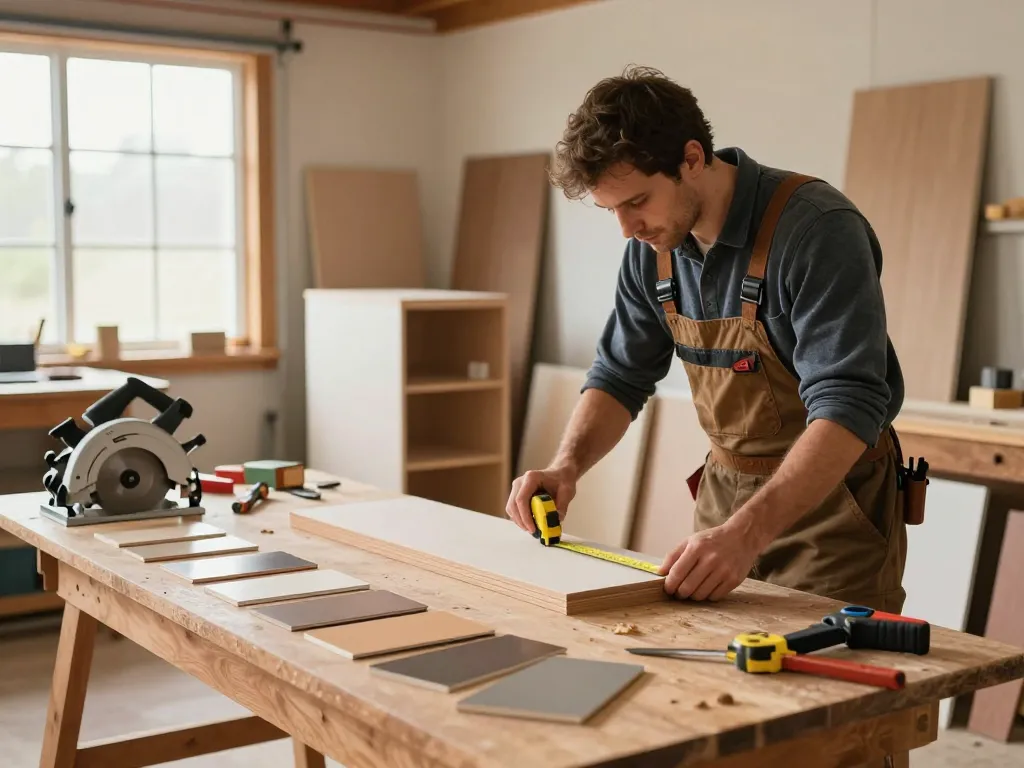
Understanding the Basics of Carpentry
Carpentry is more than just a skill; it is an essential craft that has served humanity for centuries. From constructing sturdy frameworks to constructing intricate furniture, carpentry encompasses a wide range of activities that require precision, creativity, and an understanding of materials. It is often said that “a carpenter is only as good as their tools,” and this is particularly true in the world of carpentry, where the right equipment can make or break a project. This article will provide a comprehensive overview of carpentry, including its history, tools, skills, and trends that every homeowner should be aware of in 2026.
What is Carpentry?
Carpentry is a skilled trade that involves the cutting, shaping, and installation of building materials during the construction of structures such as homes, commercial buildings, and furniture. Carpenters work with wood, though they may also use other materials like plastic and metal in their trade. This craft can be divided into several branches, including framing, finishing, and cabinetry, each requiring a unique set of skills and knowledge.
History and Evolution of Carpentry
The history of carpentry dates back thousands of years, with evidence suggesting that skilled woodworkers existed in ancient civilizations such as Egypt and Mesopotamia. Initially, carpentry was primarily focused on building temples, ships, and basic shelters. Over time, the craft evolved with the advent of new tools and techniques, leading to the diverse practices we see today. The Industrial Revolution marked a significant turning point, introducing machinery that allowed for mass production of wooden products, thereby changing the landscape of carpentry.
Common Carpentry Tools and Their Uses
Every carpenter relies on a set of essential tools to get the job done effectively. Some of the most common carpentry tools include:
- Hammer: Used for driving nails into wood and other materials.
- Chisels: Essential for carving and shaping wood.
- Measuring Tape: Critical for ensuring accurate measurements.
- Level: Ensures that structures are even and aligned.
- Saws: Various types of saws are used for cutting wood, including hand saws and power saws.
Understanding the purpose and proper use of these tools is crucial for any aspiring carpenter or homeowner interested in DIY projects.
Essential Carpentry Skills Every Homeowner Should Know
While hiring a professional carpenter is often the best choice for major projects, there are fundamental skills that every homeowner should consider mastering. These skills not only empower you to handle minor repairs but can also save you money in the long run.
Basic Measuring and Cutting Techniques
Being able to measure accurately is one of the cornerstones of carpentry. A single miscalculation can lead to wasted materials and time. Learning how to use a measuring tape, square, and saw effectively will help you achieve precise cuts during your projects.
Joinery Techniques for Stronger Builds
Joinery refers to the methods used to connect pieces of wood together. Understanding basic joinery techniques such as butt joints, dovetail joints, and mortise and tenon joints can enhance the strength and aesthetics of your projects.
Finishing Touches: Staining and Sealing Wood
The final appearance of your woodworking project often depends on the finishing process. Learning how to properly stain and seal wood not only improves its appearance but also increases its longevity against environmental factors.
Choosing the Right Materials: A Guide for Home Projects
Selecting the right materials for your carpentry projects is essential for ensuring durability and aesthetic appeal. Homeowners should consider various types of wood and alternatives that suit their specific needs and values.
Types of Wood for Carpentry Projects
Different types of wood have distinct properties that make them suitable for various applications. Common types of wood used in carpentry include:
- Pine: An affordable softwood ideal for general construction.
- Oak: A strong, durable hardwood often used for furniture and flooring.
- Maple: Known for its hardness and fine grain, making it suitable for cabinetry.
- Cedar: Naturally resistant to decay and insects, ideal for outdoor projects.
Eco-Friendly Materials and Sustainable Practices
As the industry moves towards sustainability, eco-friendly materials are becoming increasingly popular. Options like reclaimed wood, bamboo, and composite materials are not only better for the environment but can also add unique character to your projects.
Cost-effective Alternatives for Home Renovations
For homeowners on a budget, finding cost-effective alternatives without compromising quality is crucial. Options like plywood, medium-density fiberboard (MDF), and laminate can provide significant savings while still delivering satisfactory results in carpentry projects.
Hiring vs. DIY: When to Call a Professional Carpenter
While many homeowners enjoy tackling DIY carpentry projects, knowing when to hire a professional carpenter can save time and prevent costly mistakes. Assessing the complexity and scale of your project is vital for making this decision.
Assessing Your Carpentry Project Needs
Start by evaluating the project requirements. Is it a simple repair, or does it involve structural changes? Complex projects that require advanced skills or specialized tools are best left for professionals.
How to Find a Reliable Carpenter
Finding a trustworthy carpenter involves research. Ask for recommendations, read reviews, and check for licenses and insurance to ensure you are hiring a qualified professional.
What to Expect from a Professional Carpentry Service
When hiring a carpenter, clear communication and expectations are key. A reputable carpenter will provide you with a detailed estimate, timeline, and maintenance advice to ensure you are satisfied with the final outcome.
Future Trends in Carpentry and Home Renovation
As technology and consumer preferences evolve, so do the methods and materials used in carpentry and home renovations. Staying informed about these trends can help homeowners make better decisions.
Innovative Tools and Technology in Carpentry
Advancements in technology, such as laser measuring tools and digital projectors, are greatly improving accuracy in carpentry. These tools help streamline the design and construction process, making projects more efficient.
Design Trends for 2026: What Homeowners Want
Homeowners are increasingly favoring open floor plans, multi-functional spaces, and sustainable materials when it comes to home design. Keeping abreast of these trends can guide your carpentry projects to better meet contemporary demands.
Preparation for Upcoming Challenges in the Carpentry Trade
The carpentry trade is facing challenges such as rising material costs and a shortage of skilled labor. Staying adaptable and continuously upgrading skills will be crucial for professionals and DIY enthusiasts alike.
What are the Benefits of Joining a Carpentry Membership Program?
Joining a carpentry membership program can provide valuable networking opportunities, access to resources and training, and updates on best practices and new products. These programs can enhance your skills and your relevance in the trade.
Tips for Building a Lasting Relationship with Your Carpenter
Establishing a strong rapport with a professional carpenter can lead to better communication and results. Be clear about your expectations, provide constructive feedback, and express appreciation for their work to build mutual respect and trust.