Stylish Light Fixtures for Hallway: Enhance Your Home’s Entrance
Choosing the Right Light Fixtures for Hallway
When it comes to enhancing the aesthetics and functionality of your hallway, choosing the right light fixtures for hallway is paramount. Hallways often serve as transitional spaces, connecting different areas of a home, and thus they require thoughtful lighting solutions that not only illuminate but also enhance the visual appeal. In this guide, we will explore essential factors to consider, types of fixtures available, and how to assess your space and design to make the best lighting choices.
Factors to Consider for Hallway Lighting
Selecting appropriate light fixtures for your hallway involves considering various factors that influence both functionality and design. Here are some key elements to keep in mind:
- Size of the Hallway: The dimensions of your hallway will significantly impact your lighting choices. Narrow hallways may benefit from flush-mounted fixtures or wall sconces, while wider spaces can accommodate larger or multiple fixtures.
- Ceiling Height: High ceilings can effectively showcase pendant lights or chandeliers, while lower ceilings may necessitate lower-profile options to avoid a cramped feeling.
- Natural Light: Consider how much natural light your hallway receives. If it’s bright during the day, you might need less powerful fixtures, whereas darker hallways will benefit from stronger lighting options.
- Existing Decor: Your choice of lighting should complement the overall décor of your home, whether it’s modern, traditional, or eclectic. The style, color, and finish of your fixtures should harmonize with the environment.
- Purpose of the Space: Think about how the hallway is used. If it’s a high-traffic area, you’ll want durable and functional lights that are easy to maintain, while accent pieces can be introduced in less-utilized spaces.
Types of Light Fixtures for Hallway
Understanding the different types of light fixtures available will help you make an informed decision. Below are common kinds of fixtures suitable for hallways:
- Flush Mount Lights: Ideal for lower ceilings, flush mount lights are sleek and provide ample lighting without obstructing headroom.
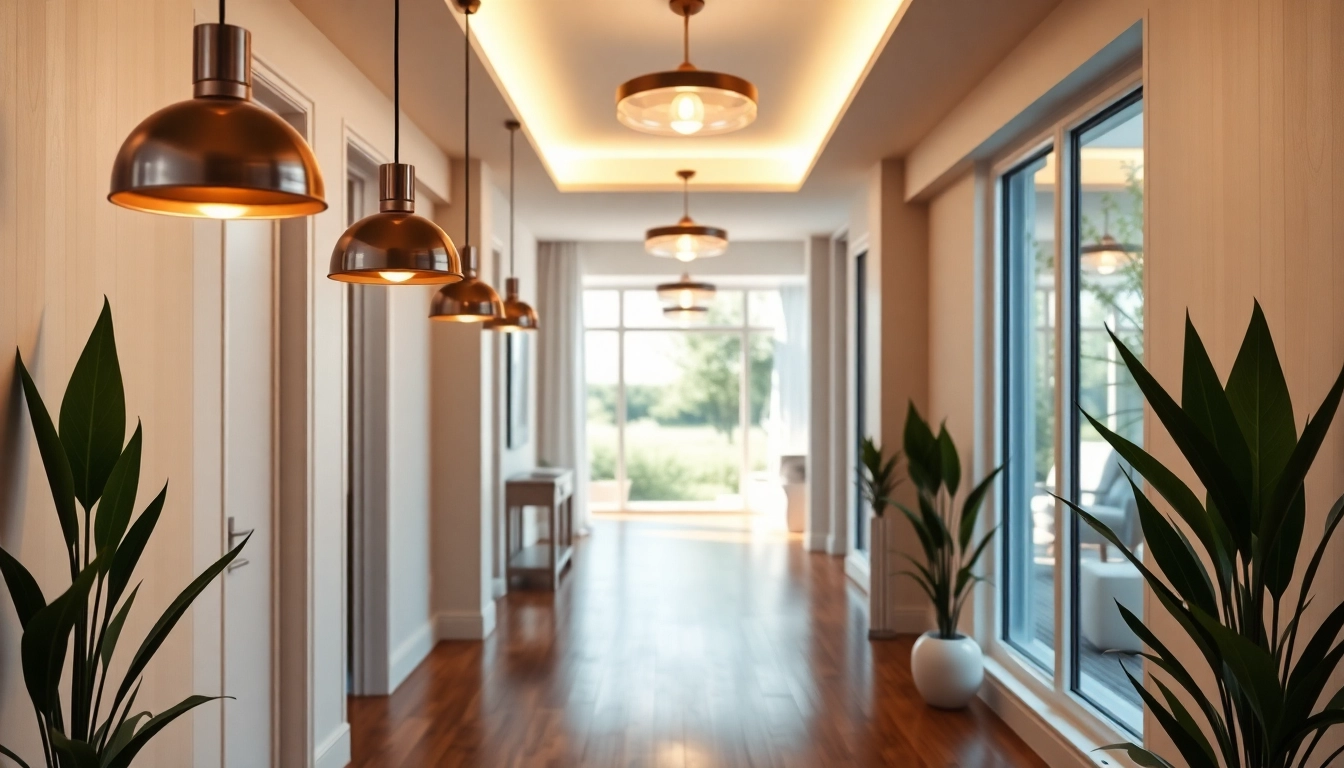
- Pendant Lights: A popular choice for entryways with higher ceilings, pendant lights offer an opportunity to add a decorative element while providing focused illumination.
- Wall Sconces: Excellent for narrow hallways, sconces add character and can create a warm, inviting atmosphere. They work well as accent lighting.
- Chandeliers: For formal settings or grand entrances, chandeliers serve as a stunning focal point while illuminating the area below.
- Track Lighting: Flexible and adjustable, track lighting can highlight artwork or architectural features along the hallway, providing both functionality and style.
Assessing Space and Design
Before settling on light fixtures for your hallway, it’s crucial to assess the entire space and design elements:
- Sketch the Layout: Create a floor plan that helps visualize the placement of light fixtures and how they relate to the overall layout of the hallway.
- Test Different Styles: Consider experimenting with different fixture styles to see how they work with your hallway’s dimensions and décor. Use virtual design tools or apps for visualization.
- Set the Ambiance: Think about the atmosphere you want to create. Warmer bulbs can foster a cozy feeling, while cooler tones might lend a more modern edge.
Best Styles of Light Fixtures for Hallway
With so many options available, finding the right style for your hallway can be overwhelming. Here, we’ll break down popular styles that can enhance your entrance.
Modern vs. Traditional Choices
The choice between modern and traditional lighting styles depends on the existing decor of your home:
- Modern Fixtures: Characterized by clean lines, minimalist designs, and often integrated LED technology, modern fixtures are perfect for contemporary homes. Metallic finishes such as chrome, brass, or matte black are popular, giving an edgy, sleek look.
- Traditional Fixtures: Often featuring ornate detailing and classic materials like wrought iron or stained glass, traditional fixtures add elegance and charm. Think of chandeliers or sconces with intricate designs to bring warmth and nostalgia.
Popular Materials and Finishes
The materials and finishes you choose contribute significantly to the overall appearance and atmosphere. Some popular options include:
- Metal: Metals like stainless steel, brass, and bronze are durable and easy to clean, providing a timeless appeal.
- Glass: Glass fixtures, whether frosted, clear, or stained, can diffuse light beautifully and create interesting visual effects.
- Wood: Wooden fixtures deliver a warm, rustic charm, great for cottages or traditional settings. Pair with warmer light bulbs for a cozy ambiance.
Color Schemes and Their Impact
The color of your light fixtures and the type of bulbs used can significantly influence the feel of your hallway. Consider:
- Neutral Colors: Whites, grays, and beiges can create a calm and sophisticated atmosphere, easily blending with various decor styles.
- Bold Colors: Using vibrant colors can make a statement in your hallway. A bright pendant light or colored sconces can serve as eye-catching focal points.
- Warm vs. Cool Tones: Warmer lights (2700K-3000K) create a cozy atmosphere, while cooler tones (4000K-5000K) offer a modern and energized feel.
Installation Tips for Hallway Light Fixtures
Installing light fixtures may seem straightforward, but there are several crucial steps involved. Here’s how to ensure a successful installation:
DIY vs. Hiring Professionals
Deciding whether to install fixtures yourself or hire a professional can depend on complexity:
- DIY: For simple replacements of existing fixtures, many homeowners opt for DIY installations. Ensure you have the necessary tools, follow safety precautions, and consult tutorials if needed.
- Hiring Professionals: If your project involves extensive electrical work, consider hiring a licensed electrician to ensure safety and compliance with local codes.
Understanding Wiring and Placement
Understanding the electrical layout of your hallway is critical for any installation:
- Wiring: Familiarize yourself with basic electrical systems and wiring tasks. Ensure that all power is shut off at the breaker box before making any changes.
- Placement: Strategic placement can enhance functionality. A general rule is to keep fixtures at least 7 feet from the floor, ensuring adequate illumination without glare.
Safety Considerations in Hallway Lighting
Safety should always be a priority during installation:
- Use Rated Fixtures: Ensure all fixtures are rated for the intended area, especially in terms of moisture resistance if close to exterior doors.
- Check Local Codes: Compliance with electrical codes is essential. Much of this involves ensuring wiring is up to code and installing fixtures correctly.
Enhancing Ambiance with Light Fixtures for Hallway
To elevate the aesthetic value of your hallway, understanding how to enhance ambiance with your chosen fixtures is key.
Layering Light Sources
Layering your lighting involves using different types of light sources to create an inviting atmosphere. Consider these methods:
- Ambient Lighting: This is your main light source that provides general illumination.
- Task Lighting: Shoebox lights or sconces may serve specific areas where focused lighting is necessary.
- Accent Lighting: Use spotlights or track lighting to highlight artwork or architectural features.
Using Dimmers for Mood Control
Dimming your hallway lights can dramatically change the atmosphere:
- Adjustable Brightness: Dimmers allow you to control the brightness based on the time of day or activity.
- Energy Savings: Lowering lighting can lead to reduced energy consumption, saving on utility bills.
Complementary Decor Elements
After selecting your light fixtures, consider how they integrate with decor:
- Artwork: Positioning art along the walls and using track lighting can create a gallery-like atmosphere.
- Furniture: Consider the layout of furniture and how light interacts with it to avoid shadows and dark spots.
Maintenance and Upkeep of Hallway Light Fixtures
To ensure your hallway light fixtures remain functional and beautiful, regular maintenance is necessary:
Cleaning and Care Instructions
Different material finishes require distinct care methods:
- Dusting: Regularly dust light fixtures to maintain their appearance and brightness.
- Deep Cleaning: Use a mild detergent and water solution for periodic deep cleaning, particularly for glass elements.
When to Replace Light Fixtures
Knowing when to replace your fixtures can be as important as knowing when to install them:
- Burnt Out Bulbs: If bulbs are repeatedly burning out, it may indicate deeper issues with the fixture or wiring.
- Style Updating: Changing decor or wanting a new look can also necessitate replacing fixtures.
Evaluating Energy Efficiency
With the growing emphasis on sustainability, assessing the energy efficiency of your chosen fixtures is essential:
- LED Options: Opt for LED bulbs, which last longer and consume less energy compared to traditional incandescent bulbs.
- Smart Fixtures: Consider smart lighting systems that can be programmed for energy savings.
Frequently Asked Questions
1. What type of light fixtures are best for a narrow hallway?
Wall sconces or flush mount lights work best in narrow hallways as they save space while providing adequate illumination.
2. How do I choose the right size of light fixture?
A general rule is to use fixtures that are 1/3 the width of the hallway, ensuring sufficient illumination without overwhelming the space.
3. Can I mix different types of light fixtures?
Yes, mixing fixtures like sconces and ceiling lights can create layered illumination, adding depth and interest to the hallway.
4. How often should I clean my hallway light fixtures?
Regular cleaning every few months will keep your fixtures looking their best and ensure they operate at optimal lighting levels.
5. What are some energy-efficient options for hallway lighting?
LED fixtures and smart lighting options can provide significant energy savings while maintaining a stylish look.