
5 Golden Rules for Halal Online Supermarket Success
Understanding Halal Online Supermarkets
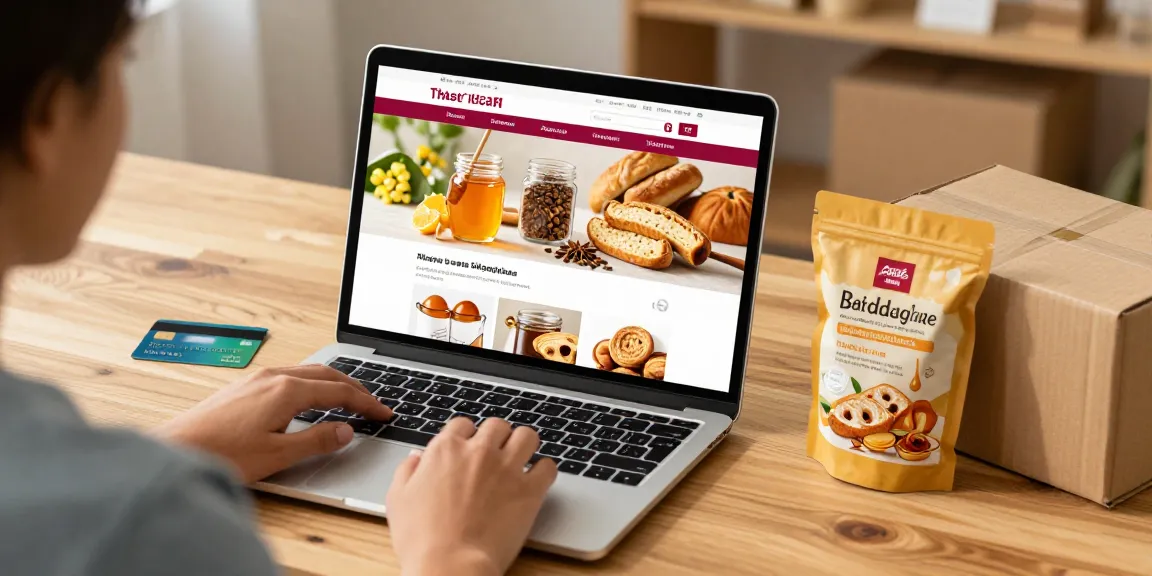
In today’s fast-paced digital world, the demand for halal products has surged, leading to the rise of Halal Online supermarket. These platforms cater to consumers seeking high-quality, certified halal goods ranging from groceries to specialty items. With the convenience of online shopping, individuals can easily access a variety of halal products without the time-consuming hassle of traditional shopping. This comprehensive guide aims to enlighten both consumers and e-commerce professionals on navigating and thriving within the realm of halal online supermarkets.
What Defines a Halal Online Supermarket?
A halal online supermarket is characterized by its exclusive offering of products that comply with Islamic dietary laws. This includes foods that are free from pork, alcohol, and other haram (forbidden) substances. Each product is accompanied by halal certification, ensuring that it meets the required standards. Such platforms are vital for Muslim consumers who prioritize their faith while maintaining a balanced diet and lifestyle. Additionally, these supermarkets often provide extensive collections that may include fresh produce, frozen goods, snacks, beverages, and specialized items that reflect cultural traditions.
Importance of Certification in E-commerce
Certification is a cornerstone of trust in the e-commerce industry, especially within halal markets. Without proper certification from recognized authorities, consumers might hesitate to purchase products. It is essential for halal online supermarkets to showcase their certifications prominently to instill confidence among buyers. The prominence of halal-certified products not only helps in customer retention but also drives new buyers who are searching for credible sources of halal options.
Choosing the Right Products: A Buyer’s Guide
When shopping in a halal online supermarket, it’s crucial to approach your purchase with diligence. Here are some principles to follow:
- Check Certification: Always verify the halal certification of the products you plan to buy.
- Research Brands: Familiarize yourself with reliable brands known for their commitment to halal standards.
- Read Reviews: Customer feedback can provide insights into product quality and satisfaction.
- Compare Prices: Ensure you are getting the best value by comparing similar products across multiple platforms.
- Pay Attention to Ingredients: Always read the labels to avoid any non-halal ingredients that may be included.
Top-Rated Products in Halal Online Shopping
Popular Categories: Health, Snacks, and More
Halal online supermarkets typically categorize their products to enhance user navigation. Popular categories include:
- Healthy Corner: Featuring items like organic fruits, grains, and health foods.
- Snacks & Chips: A wide variety of halal snacks suitable for all ages.
- Bread & Bakery: Freshly baked goods that adhere to halal standards.
- Beverages: A selection of halal drinks, including teas and coffees.
- Spices & Herbs: Essential ingredients to enrich recipes with authentic flavors.
Best Practices for Reviewing Products
In e-commerce, product reviews play a key role in influencing purchasing decisions. Here are best practices for conducting these reviews:
- Provide Detailed Insights: Cover aspects such as taste, quality, and packaging.
- Use Visuals: Include images to support your points and provide clarity.
- Encourage Engagement: Invite conversations around the product to build community interests.
- Balance Positives and Negatives: Maintain authenticity by discussing both favorable and unfavorable aspects.
How to Compare and Select the Best Deals
To make informed buying decisions, consumers should engage in thorough comparisons before finalizing their purchases. Utilize price comparison tools or manually check multiple websites. Look for discount codes or special promotions that may be available, especially during festive seasons or sales events. This not only helps in saving money but also ensures that you are aware of price fluctuations within the halal market.
Shipping and Delivery Options for E-commerce
Understanding Shipping Policies
Shipping options can vary widely between halal online supermarkets. It’s essential to understand the policies of each supermarket, including shipping times, costs, and regions served. Many platforms now offer expedited shipping and local pickup options, which can significantly enhance the shopping experience.
Fast Delivery: What to Expect?
Fast delivery is increasingly becoming a standard consumer expectation. When shopping online, it is wise to look for supermarkets that provide clear timelines for delivery. A good online supermarket should offer both standard and express shipping choices, outlining what consumers can realistically expect regarding delivery dates.
Exploring Pickup Options for Convenience
For those who prefer a hands-on approach to shopping, many halal online supermarkets now offer local pickup services. This feature allows consumers to order online and pick up their goods from a designated location, which saves on shipping costs and expedites the acquisition of fresh products, providing an efficient shopping solution.
Customer Trust and Social Proof
Importance of Customer Reviews
Customer reviews serve as social proof and are fundamental in building trust. Shoppers are more likely to buy products that have a high number of positive reviews. Retailers must cultivate a culture of feedback, encouraging customers to leave honest reviews and ratings following their purchases.
How to Build Buyer Confidence in Your Online Store
Building buyer confidence involves more than just good reviews. Providing clear information about product sourcing, displaying halal certifications, and offering transparent pricing can all contribute to heightened consumer trust. Moreover, a customer-friendly return policy can further strengthen these relationships.
Showcasing Authentic Testimonials
Authentic testimonials can be a powerful marketing tool. Sharing stories from satisfied customers or displaying before-and-after scenarios involving your products can create a relatable and trustworthy image of your business. Consider incorporating video testimonials that bring authenticity to your brand storytelling.
Future Trends in Halal E-commerce for 2026
Mobile Commerce: The New Frontier
Mobile commerce (m-commerce) is quickly becoming the go-to for online shopping. As more consumers make purchases using their smartphones, halal online supermarkets must ensure their websites and apps are optimized for mobile use. This includes a seamless shopping experience, mobile-friendly payment methods, and easy navigation.
Emerging Technologies in Online Shopping
2026 will likely witness further integration of technologies such as augmented reality (AR) and artificial intelligence (AI) in e-commerce settings. These technologies can help consumers visualize products in their own environment or provide personalized shopping experiences based on past behaviors.
Seasonal Sales Strategies for Higher Conversion
Utilizing seasonal sales to drive traffic will be essential. Traditions around holidays and festivals present opportunities for halal online supermarkets to deploy tailored promotions and flash sales, capturing higher conversion rates and improving average order value (AOV).
Frequently Asked Questions
What are the benefits of shopping at an online Halal supermarket?
Shopping at an online halal supermarket grants convenience, a broad selection of halal-certified products, and the ability to compare prices easily, saving time and ensuring compliance with dietary requirements.
How can I verify the halal certification of products?
To verify halal certification, look for reputable certifying organizations’ logos on product packaging. Additionally, researching the brand’s website offers clarity on their certification process.
What are the best payment options for online shopping?
Online shoppers should consider platforms that offer versatile payment methods, including credit/debit cards, digital wallets, and even payment on delivery options where possible. This flexibility can enhance customer satisfaction and lower cart abandonment rates.