Understanding the 24000 BTU Mini Split Air Conditioner
The 24000 btu mini split air conditioner is an advanced cooling and heating solution designed for larger spaces. With its capacity to efficiently manage temperature in areas up to 1,500 square feet, this system is particularly well-suited for homes, offices, and commercial environments. Mini split systems, known for their versatility and ease of installation, are becoming increasingly popular due to their energy efficiency and ability to provide precise climate control.
What is a Mini Split Air Conditioner?
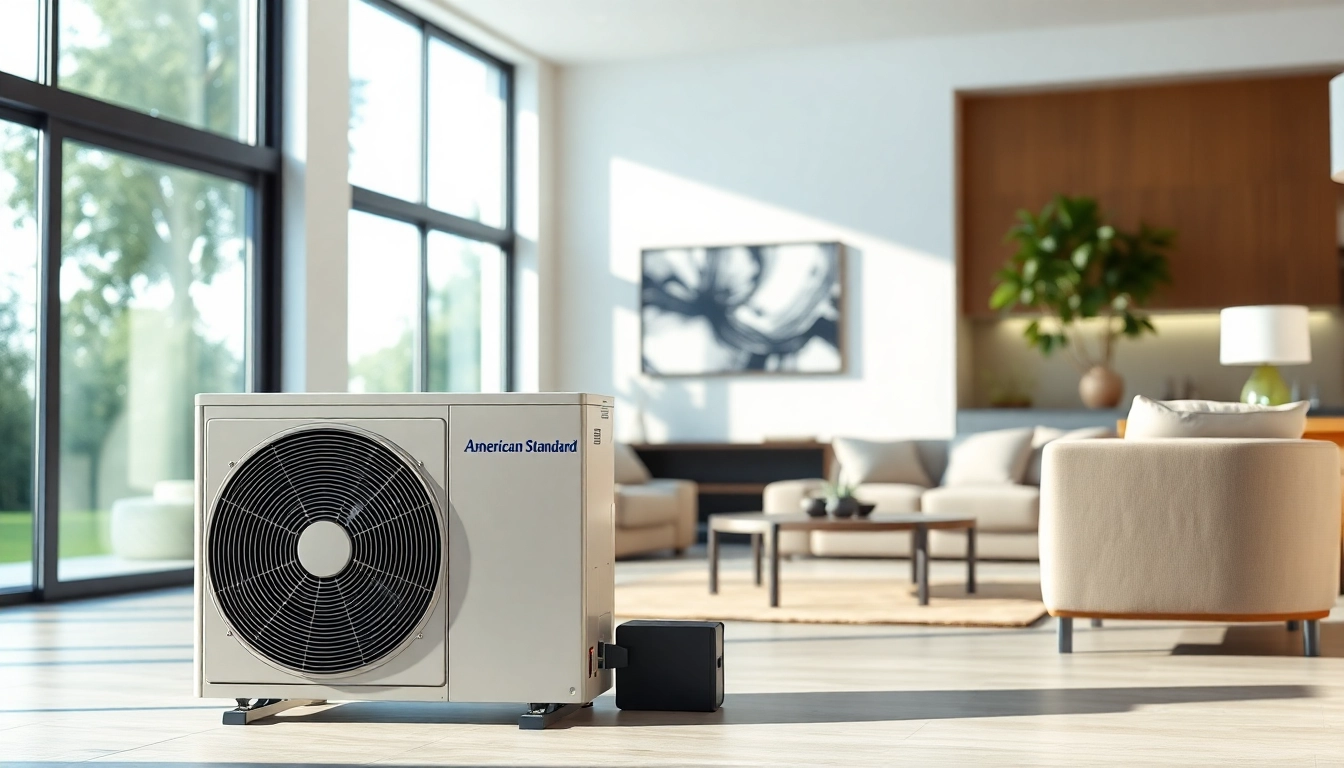
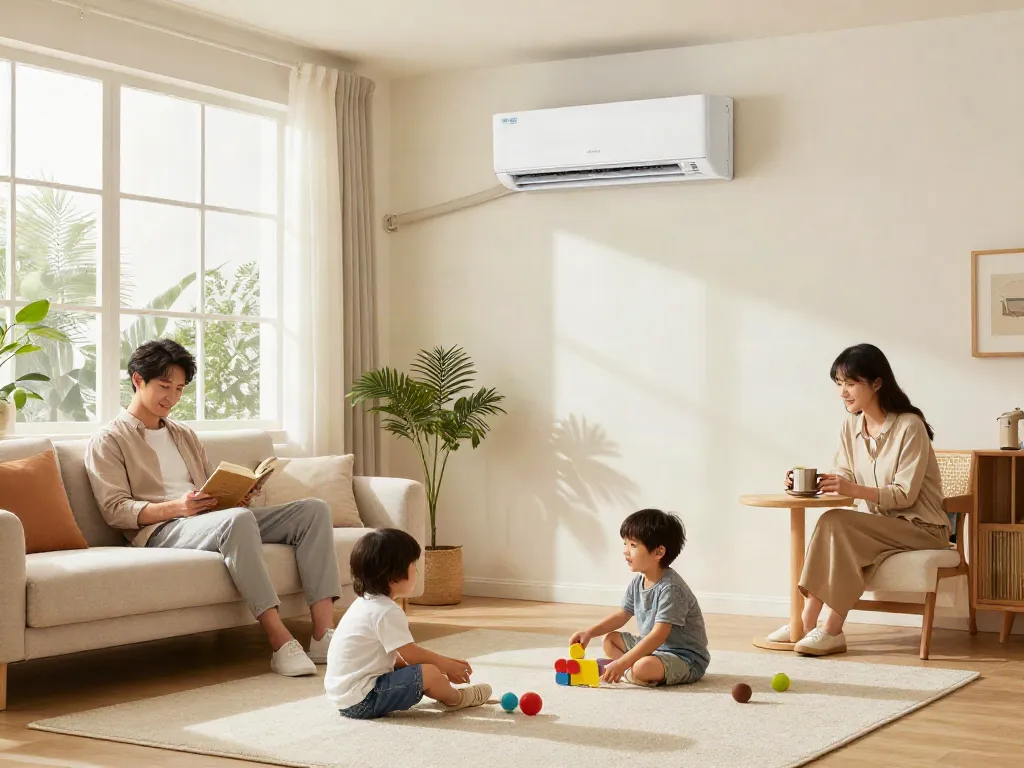
A mini split air conditioner is a ductless system that consists of two main components: an indoor unit and an outdoor compressor. Unlike traditional air conditioning units that require ductwork, mini splits are designed to be installed directly in the rooms they serve. This allows for greater flexibility in terms of installation and the ability to control temperatures in individual spaces.
Mini splits operate on a heat pump technology, which means they can provide both heating and cooling functions. This dual capability makes them an attractive option for year-round climate comfort. The small size of mini splits also allows for easier integration into various architectural designs, making them a preferred choice for modern homes.
Benefits of 24000 BTU Systems
The primary advantage of a 24000 BTU mini split air conditioner is its exceptional cooling and heating capacity, suitable for medium to large rooms. Here are some of the key benefits:
- Energy Efficiency: Many 24000 BTU units boast high SEER (Seasonal Energy Efficiency Ratio) ratings, making them cost-effective in the long run.
- Zone Control: With mini splits, you can control the temperature of individual rooms, ensuring comfort without wasting energy in unused spaces.
- Quiet Operation: These units typically operate at lower noise levels compared to traditional air conditioners, enhancing the indoor environment.
- Easy Installation: Installation is less invasive since they don't require ductwork, reducing installation time and costs.
How They Compare to Traditional AC Units
When comparing 24000 BTU mini splits to traditional central air conditioning systems, several distinctions emerge. Traditional AC units require ductwork, which can lead to energy losses through leaks and poor insulation. Mini splits, on the other hand, provide direct cooling to specific zones, minimizing energy waste and improving efficiency.
Additionally, mini splits allow for greater installation flexibility. Homeowners can add zones as needed without extensive renovations, making mini splits a scalable solution for growing families or evolving workspaces.
Key Features to Consider
Energy Efficiency Ratings and SEER Values
Understanding energy efficiency is critical when selecting a mini split air conditioner. The SEER rating measures how well a cooling unit operates over a cooling season. A higher SEER rating correlates with lower energy bills. Look for models with a SEER of 16 or higher; many newer 24000 BTU models offer SEER ratings exceeding 20, demonstrating significant savings potential.
Heating and Cooling Capacity Explained
The capacity of air conditioning systems, including mini splits, is expressed in BTUs (British Thermal Units). A 24000 BTU system is rated to efficiently cool or heat areas of approximately 1,500 square feet. However, factors such as insulation quality, ceiling height, and the number of windows can affect this coverage area. It's essential to assess your specific environment to ensure that this capacity meets your needs.
Installation Requirements and Considerations
Installing a mini split system requires some planning and specialized skills. A few critical considerations include:
- Location: Indoor and outdoor units must be strategically placed to maximize efficiency and aesthetic value.
- Electrical Requirements: Ensure that your electrical system can accommodate the mini split’s requirements, often needing a 240V circuit.
- Drainage: Proper drainage is vital for the condensation created during the cooling process. Proper planning can prevent water damage and ensure efficient operation.
Performance Metrics and User Experiences
Real-world Performance Analysis
Customer feedback often highlights the effectiveness of the 24000 BTU mini split air conditioners in various settings. Users typically report rapid cooling and heating capabilities, achieving desired temperatures in record time. Data from performance analyses indicate that these units maintain consistent temperature control, showcasing their reliability throughout various seasons.
Customer Reviews and Feedback
When evaluating the effectiveness of any air conditioning system, customer reviews provide invaluable insight. Many users praise the quiet operation of mini split units and their energy efficiency, reflected in lower monthly utility bills. Customers often mention how the ability to control each room's temperature leads to enhanced comfort and satisfaction.
Common Issues and Troubleshooting
Despite their advantages, users may encounter common issues with mini split systems. Problems can include:
- Inadequate cooling or heating, often resulting from improper installation or sizing.
- Low refrigerant levels, which can affect performance.
- Regular maintenance challenges, such as cleaning filters and coils, which are crucial for optimal functioning.
Addressing these issues promptly can prevent further complications and ensure long-term system performance.
Installation Guide for Homeowners
Choosing the Right Location for Installation
The location of your mini split system is paramount to its efficiency. Indoor units should be placed where airflow can circulate freely, avoiding direct sunlight or heat sources. Outdoor units require adequate ventilation and should be positioned away from obstructions that could impede airflow.
Step-by-Step Installation Process
While hiring a professional for installation is recommended, understanding the process can empower homeowners to make informed decisions. The installation generally follows these steps:
- Determine the installation locations for both the indoor and outdoor units.
- Install the mounting brackets for the indoor unit.
- Connect the refrigerant lines and drainage piping.
- Mount the indoor unit and secure it in place.
- Install the outdoor unit and connect it to the indoor unit.
- Test the system to ensure proper operation.
Maintenance Tips for Optimal Performance
Ongoing maintenance is essential for keeping your mini split system running efficiently. Here are practical tips for homeowners:
- Regularly clean or replace air filters to ensure unobstructed airflow.
- Inspect outdoor units for debris or obstructions.
- Schedule annual professional maintenance checks to address any potential issues proactively.
Future Trends in Mini Split Technology
Innovations to Watch for in 2026
The mini split air conditioning industry is rapidly evolving, with advancements focused on improving efficiency and user experience. Future innovations may include:
- Enhanced smart technology features, allowing for remote control and monitoring through smartphones.
- Integration of AI for predictive maintenance, improving overall reliability.
- Development of even more energy-efficient models, contributing to reduced environmental impact.
Smart Home Integration and Features
In 2026, many mini splits will likely feature smart home technology. This integration allows homeowners to synchronize their cooling and heating systems with other smart devices, enhancing overall energy management. Voice-activated control and compatibility with home automation systems are trends worth anticipating.
Market Predictions for Mini Split Systems
Market analysts predict steady growth in the mini split segment, driven by increasing awareness of energy efficiency and improving technologies. As more consumers seek sustainable options for climate control, the demand for mini splits, particularly those with eco-friendly features, will likely surge in the coming years.
What is the average cost of a 24000 BTU mini split air conditioner?
The cost of a 24000 BTU mini split air conditioner can vary significantly based on brand, features, and installation requirements. Homeowners can expect prices ranging from $1,500 to over $3,500, inclusive of installation. When budgeting for this purchase, consider factors such as potential energy savings and long-term value.
Can I install a mini split system myself?
While it is technically possible for homeowners to install a mini split system themselves, professional installation is often recommended. This ensures compliance with local codes and helps avoid potential pitfalls that could lead to inefficiency or damage.
What is the lifespan of a mini split air conditioner?
Typically, mini split air conditioners can last between 15 to 20 years with proper maintenance. Regular upkeep, timely repairs, and professional inspections can significantly enhance the lifespan of the unit.
How do I know if I need a 24000 BTU mini split air conditioner?
Determining whether a 24000 BTU mini split is right for your space involves assessing the size of the area you wish to cool or heat, as well as how well insulated it is. Consulting with a professional can provide tailored advice based on your specific situation.
Are mini split air conditioners suitable for all climates?
Mini split air conditioners are versatile enough to function effectively in various climates, from hot and humid to cooler regions. However, particular models may perform better in certain conditions, so it's essential to select a unit optimized for your local climate.